Chimaek is one of the few Korean words that explains itself the moment you hear it. Say it out loud — chi-maek, stress on the first half — and you’re really saying two words mashed into one: chikin (fried chicken) and maekju (beer). Chicken plus beer. That’s the whole concept, and once you get that, everything else about it makes sense.
I’ve eaten a genuinely absurd amount of chimaek in my life, and almost none of it involved me turning on my own stove. That’s not a personal failing. It’s just how the thing works here.
What does “chimaek” actually mean?
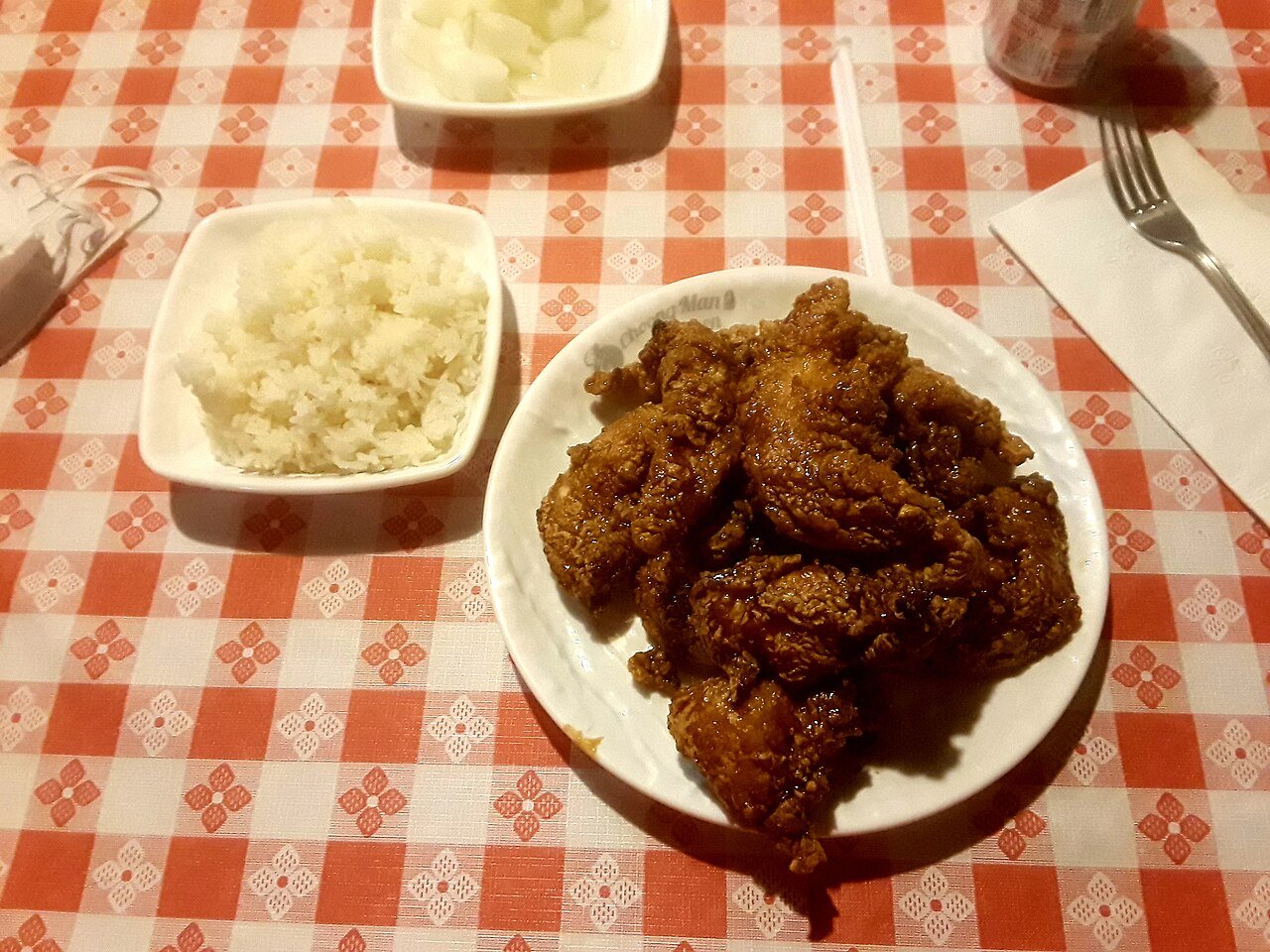
Chi comes from chikin, the Korean pronunciation of “chicken,” and specifically points to the fried kind — plain crispy fried chicken (huraideu-chikin) or the sweet-spicy glazed version (yangnyeom-chikin), or the increasingly common half-and-half plate that splits the difference. Maek is short for maekju, plain lager-style beer, the kind sold in green bottles at every corner store.
Korean fried chicken chains have been a fixture of the country’s food scene for decades, and at some point the beer stopped being optional. Nobody agrees on the exact moment the two became a package deal rather than two separate things people happened to order together. What’s not in dispute is that by the time the word “chimaek” was common enough to show up on delivery app banners, the pairing had already won.
Why Koreans order it in instead of cooking it
Here’s the part that surprises people outside Korea: home cooks almost never make chimaek from scratch. Deep-frying chicken at home means a pot of hot oil, a kitchen that smells like it for two days, and cleanup nobody wants after 9 p.m. So the default move is to order it.
Korea’s delivery culture is built for exactly this. Fried chicken delivery apps are open late, prices are reasonable for what you get, and a full order — chicken plus pickled radish plus a dipping sauce — usually shows up in a cardboard box within 30 to 40 minutes. It’s fast enough that “let’s get chimaek” is something you decide to do at 9:45 p.m. on a random Tuesday, not something you plan two days ahead.
This is also why chimaek and cooking-focused recipe content don’t overlap much. If you want to actually fry the chicken yourself, that’s a separate project with its own technique — we’ve written up the full method in our Korean fried chicken recipe. This post is about the culture around the dish, not the frying.
Chicken, beer, and whatever’s on the screen
A huge share of chimaek happens in front of a screen. Baseball and soccer matches are the classic pairing — Korean baseball season runs through the warmer months, and it’s common to see chicken joints packed on game nights, half the customers watching the TV mounted in the corner instead of their food. The same goes for watching at home: order chicken, turn the game on, and the evening organizes itself around it.
It doesn’t have to be sports. A group of coworkers finishing a long week, friends catching up after not seeing each other for a while, a family with the TV on in the background — chicken shows up as the thing that gives everyone something to do with their hands while they talk.
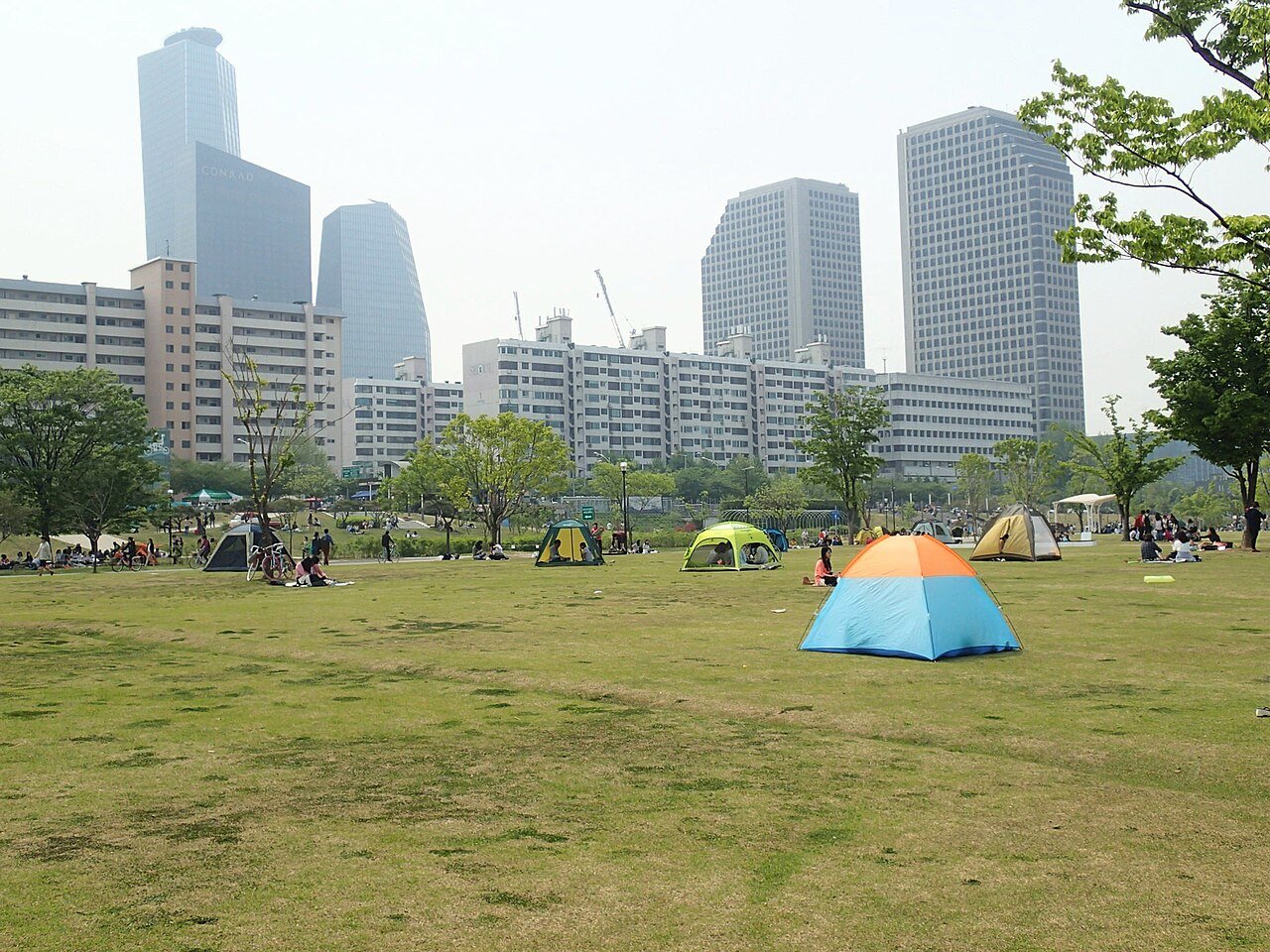
The Hangang picnic mat scene
Ask anyone to picture chimaek in Korea and a lot of people will describe the same scene: a picnic mat spread out on the grass at one of the Han River parks, a couple of delivery boxes of chicken sitting open in the middle, and a group of friends sprawled around it with the river and the city skyline behind them.
It’s a genuinely popular thing to do once the weather turns warm. The Han River parks — Yeouido and Banpo are two of the busiest — have wide grass lawns built for exactly this kind of gathering, and chicken delivery apps will bring an order straight to a designated pickup spot near the river so nobody has to leave the mat. Convenience stores along the river also stock cold drinks and snacks for anyone who didn’t plan far enough ahead. On a nice weekend evening, it can feel like half of Seoul had the same idea at the same time.
The drama that sent chimaek around the world
If you’ve heard the word “chimaek” outside Korea at all, there’s a decent chance it traces back to My Love from the Star (별에서 온 그대). The drama’s female lead has a scene where she eats fried chicken and beer on the season’s first snow, and it’s widely reported that the moment triggered a genuine chimaek craze in China, with fried chicken and beer sales reportedly climbing in the months after it aired. It’s one of the better-documented examples of a single K-drama scene reshaping food habits well beyond Korea’s borders.
Building a chimaek spread at home
You don’t need a deep fryer to get most of the experience. Order or make the chicken, then focus on the sides that make it feel complete rather than just a plate of chicken.
Mu — cubes of sweet pickled radish — is the one non-negotiable side. It’s crunchy, a little sweet, faintly sour, and it cuts through the fried chicken’s richness the same way pickles cut through a fried sandwich. It’s sold pre-made in most Asian grocery stores, or you can make a quick version yourself with radish, vinegar, sugar, and salt left to sit for a few hours. Beyond that, keep it simple: a bowl of the chicken’s sauce for dipping if you got the plain fried version, maybe some sliced cucumber, and that’s genuinely most of what a home chimaek table needs.
As for the “maek” part — it’s optional. A lot of chimaek nights happen with soda, tea, or nothing at all besides the chicken itself. The name describes a common pairing, not a requirement, and plenty of people enjoy the “chi” without the “maek” and don’t think twice about it.
Frequently asked questions
What does chimaek mean?
It’s a portmanteau of chikin (the Korean word for fried chicken) and maekju (beer). It refers to the combination of Korean fried chicken and beer as a shared meal or snack, and by extension to the whole social occasion built around eating it.
Is chimaek always spicy chicken?
No. The two base styles are plain fried chicken (huraideu-chikin), which isn’t spicy at all, and sweet-spicy glazed chicken (yangnyeom-chikin), which has some heat but is more sweet than fiery. Many places also sell a half-and-half plate so you don’t have to choose.
Do you have to drink beer to have chimaek?
Not at all. The word describes a popular pairing, not a rule. Plenty of people order the exact same chicken and skip the beer entirely, swapping in soda, tea, or water instead — the social occasion is really about the chicken and the company.
What to read next
If you want the actual technique for the chicken itself — the batter, the double fry, the sauce — that’s covered start to finish in our Korean fried chicken recipe. For more on how Korean dramas and films keep turning specific dishes into international obsessions, our guide to K-drama food filming locations in Seoul and our writeup of the Squid Game dalgona candy craze cover two more examples of the same pattern.
If a Seoul trip is somewhere in your plans, k-trips has a companion piece on K-drama filming locations around Seoul that’s worth a look before you go.