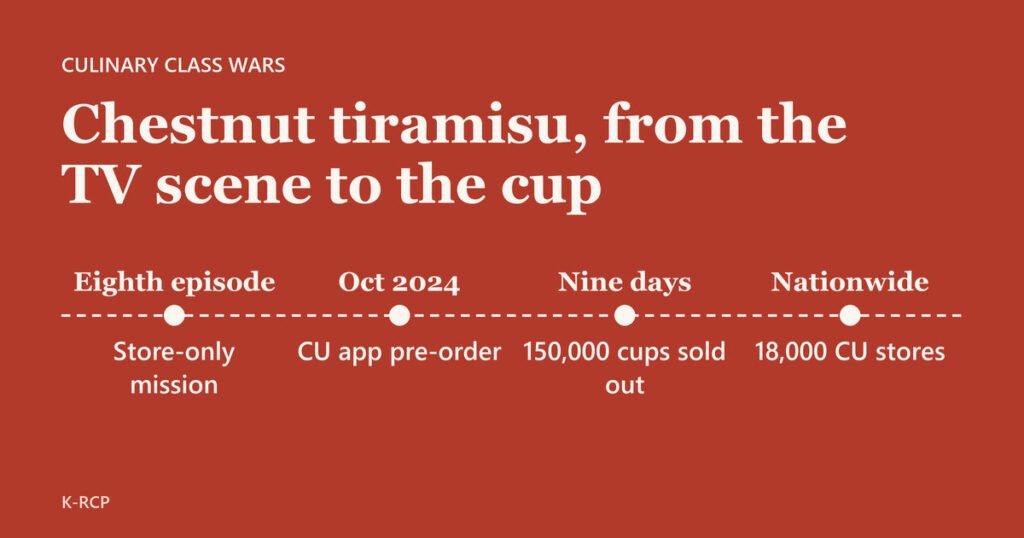
Chestnut Tiramisu From Culinary Class Wars, Rebuilt for a Home Kitchen
The marron tiramisu from a convenience-store mission on Culinary Class Wars, rebuilt with chestnut paste, cream cheese and coffee-dipped biscuits.
K-RCP is a Korean home-cooking site in English, written by Sung Hwan Cho, a Seoul-born industrial designer. The recipes are aimed at cooks outside Korea, with realistic substitutes for ingredients that are hard to find and notes on what each dish is called and how it is eaten in Korea. Names, history and figures are compared against published sources; browse by category in the menu above, or start with the latest posts below.
The marron tiramisu from a convenience-store mission on Culinary Class Wars, rebuilt with chestnut paste, cream cheese and coffee-dipped biscuits.
How Korea’s standard recipe seasons 300 g of spinach, whether garlic belongs, how winter spinach differs and what stands in when the greens change.
A Korean BBQ dinner in order: the two-portion minimum and a June 2026 price, who grills, asking for a fresh plate, the ssam wrap and how the meal ends.
Yangnyeomjang means a sauce with the full set of seasonings. Compare the standard pancake, dumpling and rice sauces, then mix a 3-2-1 soy dip to adjust.
Malt turns the rice in sikhye sweet only inside a warm band. Here are the temperatures Korean sources give and a keep-warm cooker method to hold them.
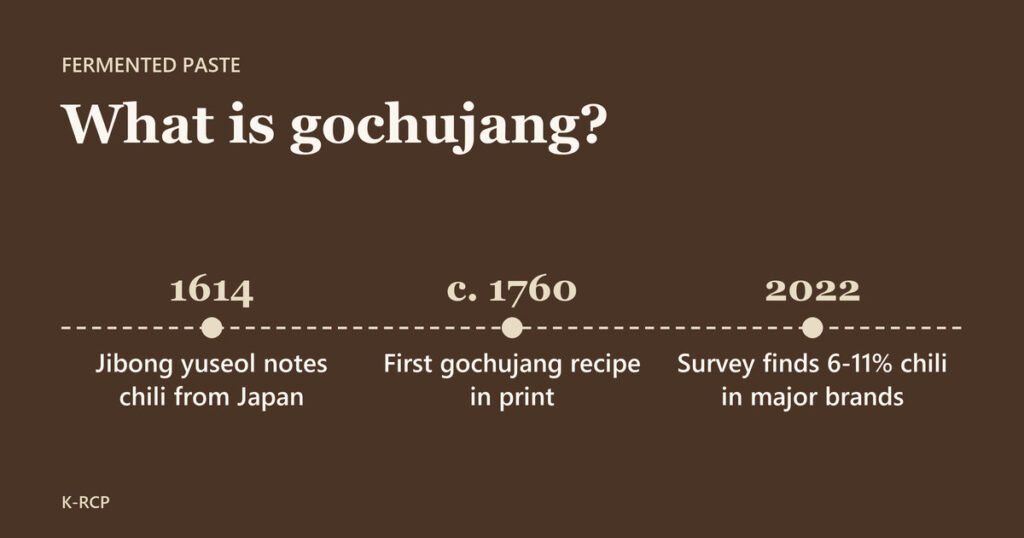
What goes into gochujang, why Korea’s food code sets a 6 percent chili floor, how it differs from gochugaru and doenjang, and how to read a tub.
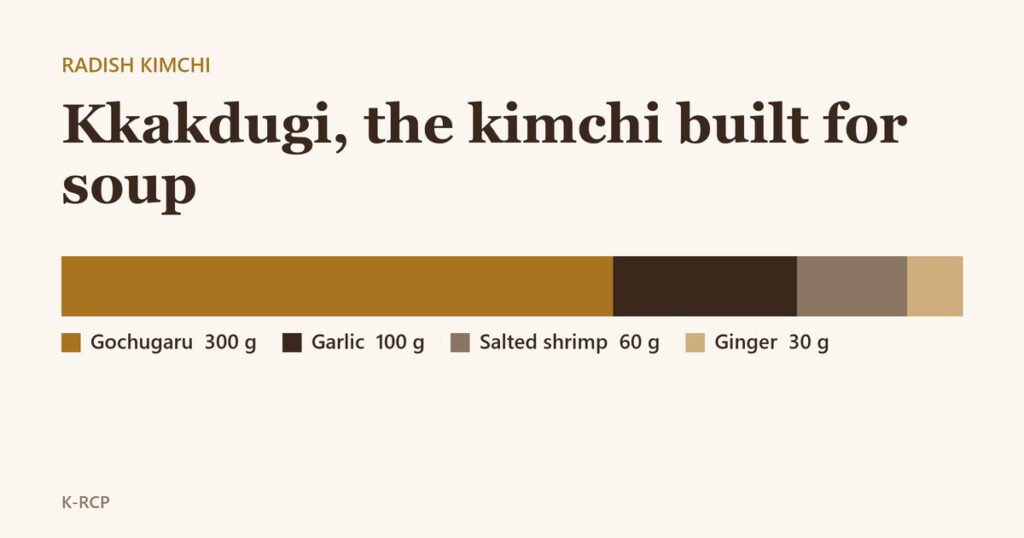
Why cubed radish kimchi came to share the table with seolleongtang, how the Institute’s 6 kg recipe scales to one kilo, and what the old cookbooks record.
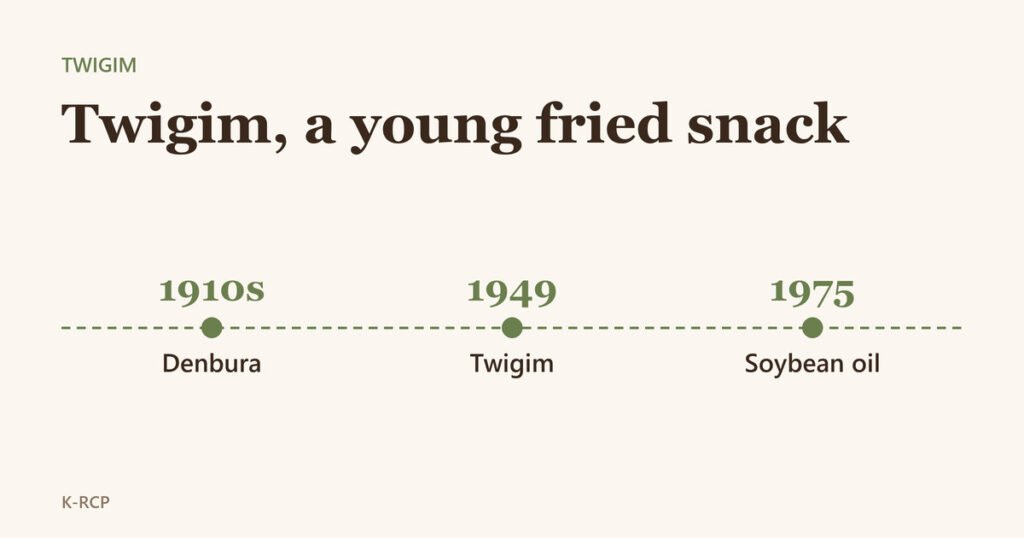
The word twigim dates from 1949, deep frying is younger than most Korean cooking, and cold batter, 170 to 180°C oil and small batches keep the crust crisp.
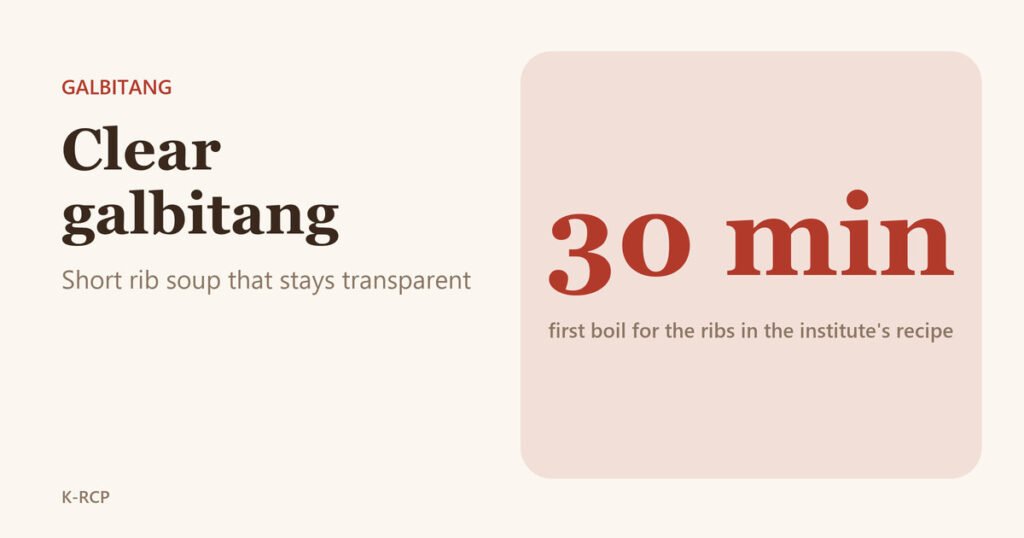
Galbitang, gomtang and seolleongtang run on very different clocks. The institute’s water amounts and simmer times, and two ways to keep the broth clear.
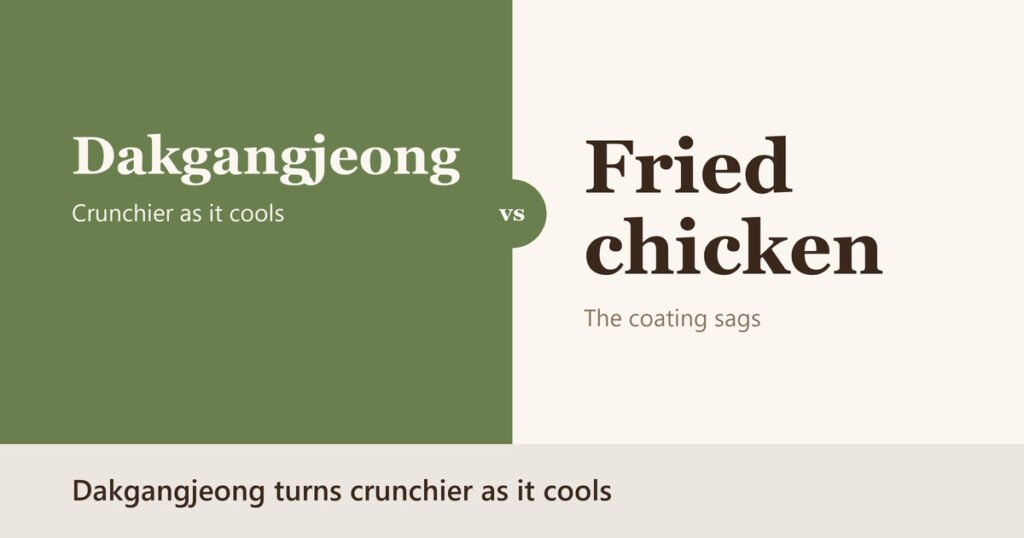
Why dakgangjeong gets crunchier as it cools: the starch syrup glaze, Sokcho and Incheon market styles, how it differs from yangnyeom chicken, and fixes.
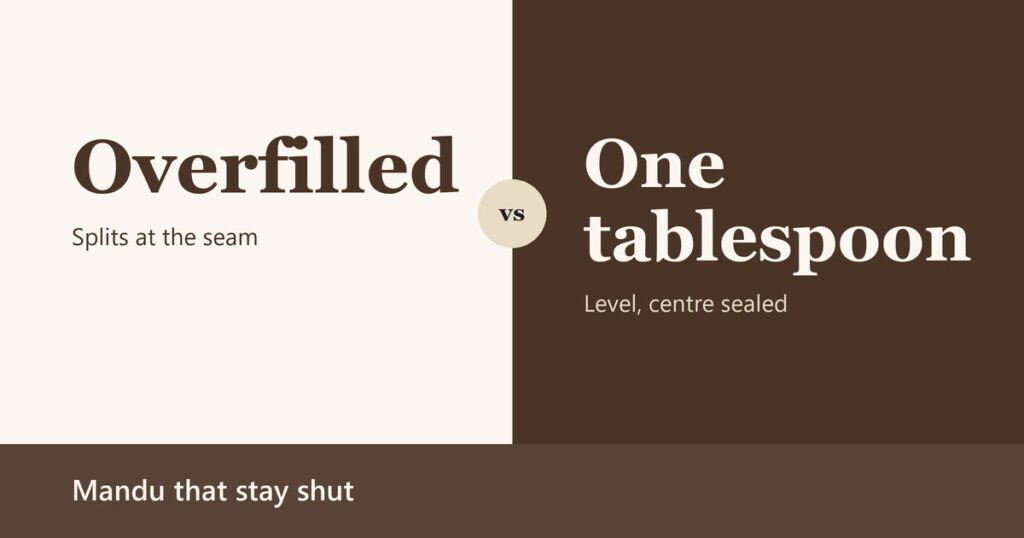
Korean mandu from Goryeo records to the fold: the institute’s wrapper and filling by weight, a centre-first seal, cooking times and why dumplings split.
Gamjatang is a pork bone stew, not a potato soup. Which bones to buy, how the standard recipe compares with this card and three flaws to fix.