Say you’ve got five minutes before you need to be out the door, a container of leftover rice in the fridge, half a bag of kimchi, and a strong preference for not thinking too hard about lunch. That’s exactly the situation heundeul dosirak — “shaken lunch box” — was built for. You don’t plate anything. You don’t stir anything with a spoon. You throw it all in a sealed container, shake it like you mean it, and eat it out of the box.
Quick Facts
| Total time | 20 minutes |
| Serves | 1 (scales easily) |
| Difficulty | Easy |
| Spice level | 2 of 5, adjustable with more or less gochujang |
| Vegan? | With swaps — see below |
What Is Shaken Dosirak?
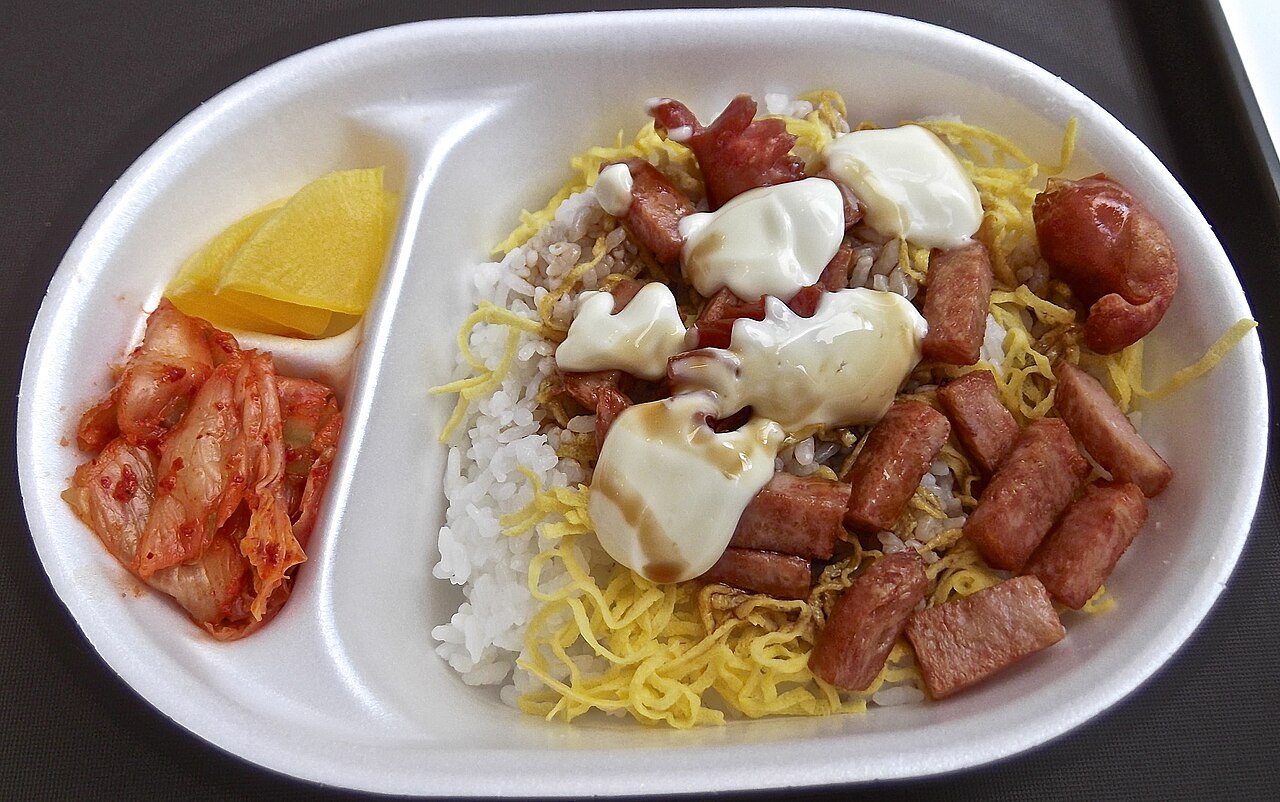
Dosirak (도시락) is the general Korean word for a packed meal — a lunch box, in the broadest sense, whether that’s an elaborate multi-compartment container or a simple metal tin. Heundeul dosirak (흔들도시락) is a specific, modern spin on it: rice, a protein like spam or ham, a fried egg, kimchi, and gochujang all layered into one sealed container and then physically shaken until everything mixes into a single messy, rice-bowl-like dish. It’s less a formal recipe and more a method — a way of turning whatever’s on hand into something that eats like bibimbap without any of the plating.
The trend leans on real nostalgia. Korean school lunch culture, especially the tin and compartment lunch boxes kids carried through the 1970s and 80s, is a genuine touchstone for a lot of Koreans who grew up before school cafeterias became standard. Reply 1988, the drama set in a working-class Seoul neighborhood in the last years of that decade, spends real time on that kind of everyday school-day detail — packed lunches among it — which is part of why the show reads as such a specific, accurate slice of the era rather than generic period drama. The shaken dosirak trend picks up that same tin-lunchbox nostalgia and gives it a quick, modern shortcut: instead of carefully packed compartments, you get one container, shaken into something new.
Part of why the shake caught on online is how it looks rather than how it tastes — the moment the lid comes off and the layers have turned into one loose, orange-streaked mix is a small, satisfying bit of chaos on camera. But the underlying logic is old and practical: a packed lunch carried in a school bag or a coat pocket got jostled around all morning anyway, rice and side dishes sliding into each other whether anyone meant for them to. Heundeul dosirak just leans into that instead of fighting it.
Ingredients
| Ingredient (for 1) | Where to get it, or what to use instead |
|---|---|
| Cooked short-grain rice, 1 cup / 200 g | Day-old rice works just as well as fresh — arguably better, since it holds up to shaking without turning to mush. |
| Spam or luncheon meat, 80 g / 3 oz | Any Asian or general grocery. Diced ham is a milder swap. Firm tofu, pan-fried until the edges crisp, is the lighter option — less salt and fat, but also less of the specific savory richness spam brings. |
| Kimchi, 1/3 cup | Well-fermented kimchi gives the most flavor. For something milder and non-spicy, chopped pickled radish (danmuji) works, though you lose the tang and heat kimchi contributes. |
| Gochujang | The classic binder here. Ssamjang, if you have some on hand, makes a rounder, less aggressively spicy version — worth trying if straight gochujang feels like too much first thing in the day. |
| Gim, sesame oil, sesame seeds | Standard Korean pantry items. |
Shaken Dosirak Recipe
Ingredients
Method
- Heat a dry pan over medium heat and pan-fry the diced spam until the edges are browned and crisp, about 3 minutes. It renders its own fat, so no oil is needed.
- In the same pan, fry or scramble the egg to your preference.
- Layer the warm rice, spam, egg, and kimchi into an airtight lunch container with a well-sealed, locking lid.
- Add the gochujang, sesame oil, gim, and sesame seeds on top last, so they don’t get buried under the rice.
- Close the lid firmly, making sure it’s fully sealed, then shake the container — a real shake, holding the lid down with your hand — for about 15 seconds, until everything is tangled together into one loose, orange-tinted mix.
- Open and eat straight from the container, or tip it out onto a plate.
How to Make It
- Pan-fry the spam until the edges brown and crisp. No oil needed; spam renders enough fat on its own.
- Fry or scramble the egg in the same pan, using whatever fat the spam left behind.
- Layer everything into a sealed container — rice on the bottom, spam and egg next, kimchi on top of that.
- Add the gochujang, sesame oil, gim, and sesame seeds last, right on top, so they don’t get trapped under the rice and miss the shake.
- Seal it properly and shake. This isn’t a gentle jostle — hold the lid down with one hand and shake with real intent for about 15 seconds. You’re aiming for everything roughly combined, not perfectly blended; a few streaks of red gochujang running through the rice is the look you want.
- Eat it straight from the container, or tip it onto a plate if you’d rather use a spoon than dig in with chopsticks straight from the box.
Tips and Storage
Squeeze excess liquid out of the kimchi first. Wetter kimchi makes the shaken mix soupier than it should be. A light squeeze over the sink before it goes in keeps things from turning to mush.
Use a container with a lid that actually locks. A loose-fitting lid during a real shake is how gochujang ends up on your shirt instead of in the box. Locking snap-lid containers, the kind sold for meal prep, work best.
Day-old rice holds up better than fresh, hot rice. Fresh rice is stickier and clumps under agitation instead of separating into individual grains mixed with everything else.
This isn’t a make-ahead dish in the traditional sense — the whole point is assembling and shaking right before eating. If you do need to pack it for later, keep the gochujang and gim separate until just before you eat, then shake it fresh at lunchtime rather than in the morning.
FAQ
Why shake it instead of just stirring with a spoon?
Shaking distributes everything more evenly and faster than stirring in a shallow lunch box, where a spoon has trouble reaching corners. It’s also, honestly, part of the appeal — the format turns lunch into a five-second bit of theater before you eat, which is a lot of the trend’s charm.
Can I prep this the night before for lunch the next day?
Partially. Cook the rice, fry the spam and egg, and chop the kimchi ahead of time, storing each separately in the fridge. Combine and shake right before eating rather than the night before, since the rice and kimchi both soften considerably if left mixed and sitting overnight.
Is there a vegetarian version?
Yes. Swap the spam for pan-fried firm tofu or a plant-based luncheon meat, and double check your kimchi brand — a lot of commercial kimchi contains fish sauce or salted shrimp, so look for a vegan-labeled jar or make your own without them.
Related Recipes
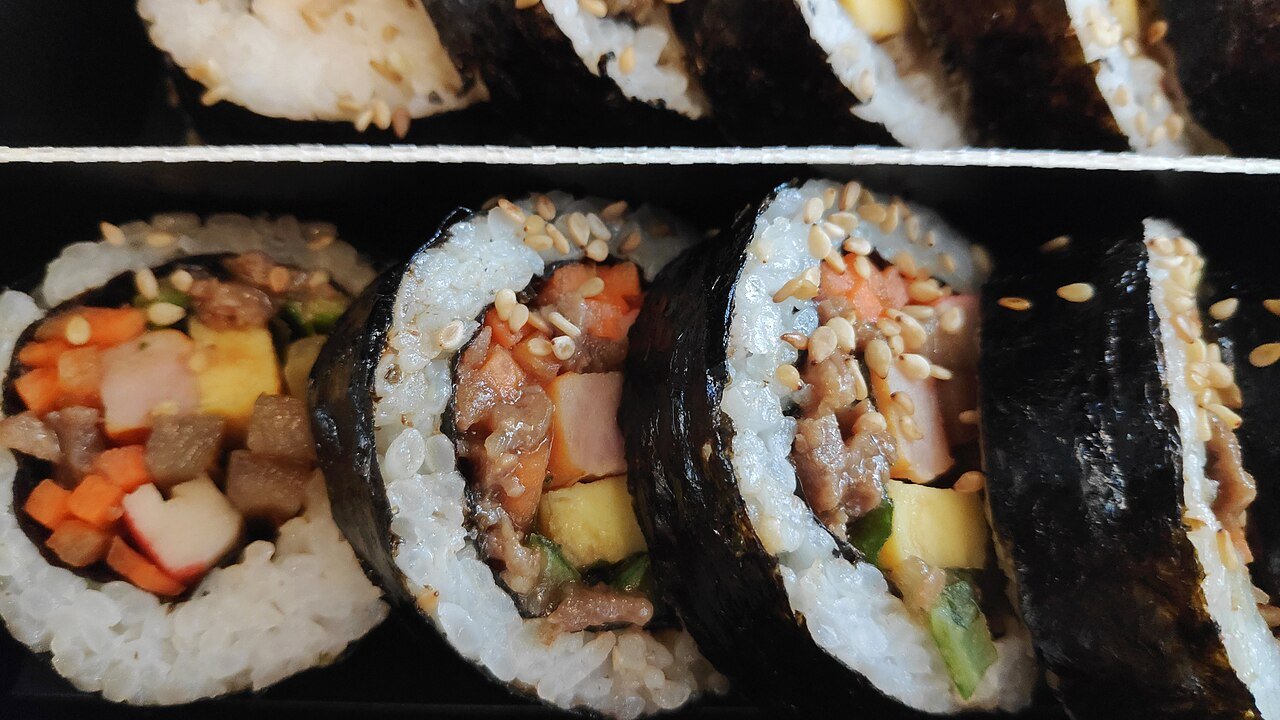
If you like the idea of one container holding an entire meal, kimbap is the other great portable Korean lunch, just rolled instead of shaken. Kimchi fried rice uses almost the identical ingredient list — rice, kimchi, gochujang, egg — cooked in a pan instead of shaken cold-assembled, if you’d rather have something hot. And if gochujang feels too sharp on its own, ssamjang makes a milder, rounder stand-in for the same shake.
Dosirak has a long relationship with Korean train travel specifically — KTX and its predecessors have sold packed lunch boxes to passengers for decades, gimbap versions especially. If you’re taking trains around the country, our sister site’s guide to Korea’s T-money card and public transit covers the basics of getting around, platform snacks included.