The first time I mixed yangnyeomjang without looking anything up, I poured soy sauce into a bowl, decided it looked too dark and too salty, and started adding water. Then I added a little more, because the first splash didn’t seem to do anything. What I ended up with was brown water with sesame seeds floating on top, and the pancakes I’d just fried tasted like nothing at all. The ingredients weren’t the problem — I had every one of them sitting on the counter. I had no ratio in my head, so I was correcting by eye, and by eye you always overshoot the water.
So I memorized one, and I haven’t measured this sauce by feel since. Three parts soy sauce, two parts water, one part rice vinegar. Everything else is fixed.
Quick facts
- Total time: 10 minutes, no cooking
- Makes: about 120 ml / 1/2 cup, enough for two large pancakes
- Difficulty: easy
- Spice level: 1 out of 5
- Vegan: yes, as written
The 3-2-1
Three tablespoons soy sauce. Two tablespoons water. One tablespoon rice vinegar. That’s 45 ml, 30 ml, and 15 ml if you cook in metric, and it comes out to 90 ml of liquid, which lands at roughly 120 ml / 1/2 cup once the aromatics go in.
The reason to hold the ratio in tablespoons rather than millilitres is that it scales without arithmetic. Feeding six people instead of two? Six, four, two. Making a big jar for the week? Nine, six, three. The numbers stay in the same relationship no matter what spoon you happen to grab, which is the whole point of memorizing it.
The fixed part doesn’t scale as neatly, and it doesn’t need to. Per batch of the 3-2-1, add 2 teaspoons sugar, 2 teaspoons gochugaru, 1 teaspoon minced garlic, one finely chopped scallion, 1 teaspoon toasted sesame oil, and 1 teaspoon toasted sesame seeds. Aromatics are forgiving in a way the liquid isn’t. An extra half-teaspoon of gochugaru changes the sauce slightly. An extra two tablespoons of water ruins it.
I keep the order fixed too, and I think it matters more than it sounds like it should. Liquids first, sugar second so it dissolves in something thin, then chili and garlic, then the scallion and sesame at the end. Dump everything in at once and the sugar sits in a gritty layer at the bottom under a raft of sesame seeds.
What this sauce actually is, and what it isn’t
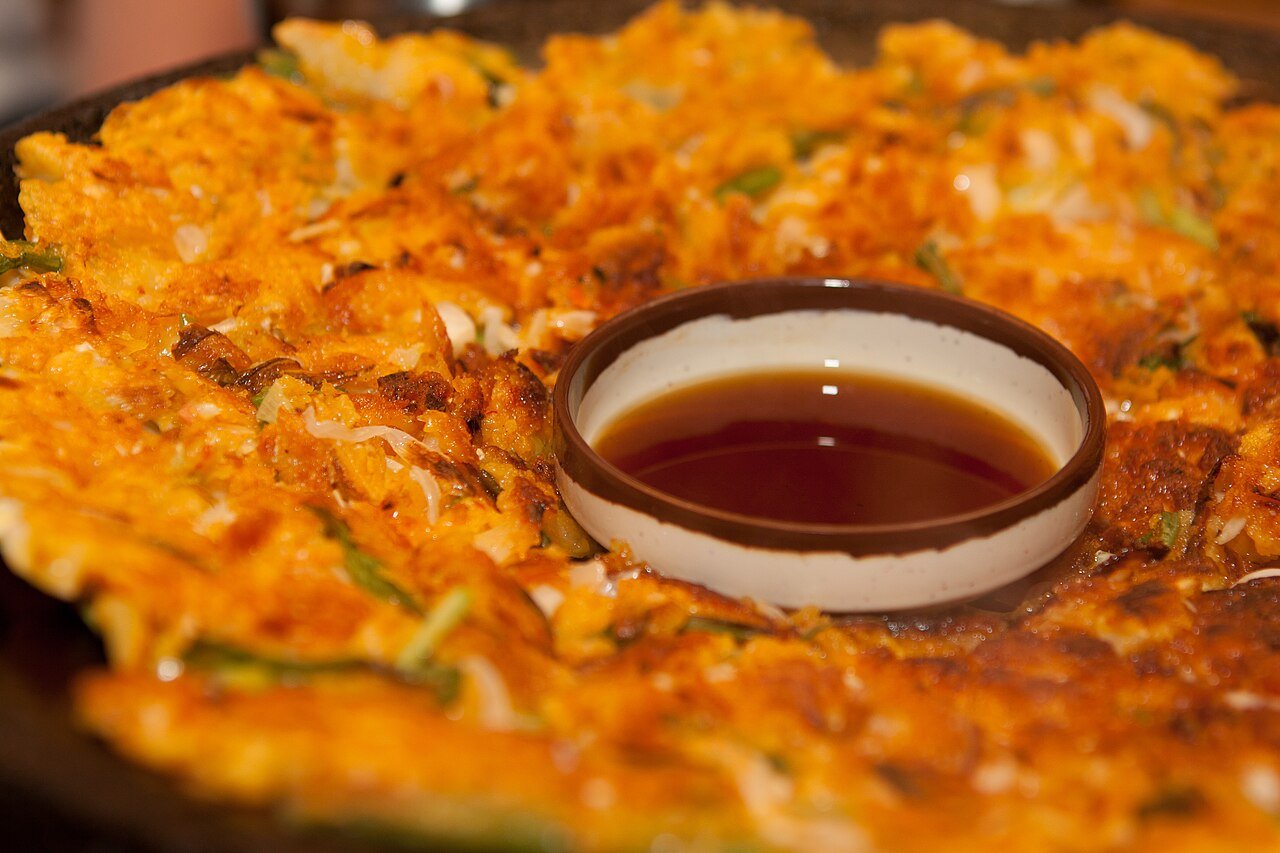
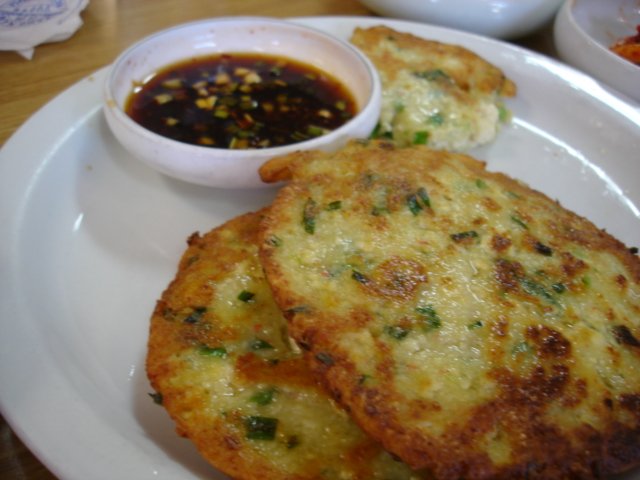
Yangnyeomjang (양념장) translates roughly as “seasoning sauce,” which is unhelpfully broad — Korean uses the word for a whole family of mixed sauces. In practice, when a Korean home cook says yangnyeomjang without qualifying it, they mean this one: thin, dark, soy-based, clear enough that you can see the bottom of the dish through it, with chili flakes and chopped scallion suspended in it. It’s a dipping sauce. It goes in a shallow saucer next to something fried, and you dip.
This is not the thick red sauce people often picture. If you want the sweet-spicy chili-paste version for glazing chicken, dressing cold noodles, or spooning over rice bowls, that’s a completely different preparation — see our all-purpose gochujang sauce, which is built on fermented chili paste and comes out opaque and reddish. Yangnyeomjang is soy-based and pourable. Gochujang sauce is paste-based and clingy. They aren’t interchangeable, and the most common confusion I see in comments on Korean recipes is someone reaching for one when the recipe wanted the other.
What it’s for: jeon and buchimgae, the whole category of Korean pan-fried pancakes, from a plain scallion one to a loaded seafood pajeon. Also mandu, both steamed and fried. Also bossam, where you’re wrapping boiled pork in cabbage leaves and want something sharp against the fat. Also plain pan-fried tofu, which is the most underrated use of it — a block of firm tofu sliced, browned in a little oil, and spooned over with this sauce is a genuine dinner. It’s the same logic behind dubu kimchi, where warm tofu plays against something sour and seasoned.
Korean households don’t treat this as a recipe so much as a reflex. There’s usually no jar of it in the fridge, because it takes two minutes and everyone knows the proportions.
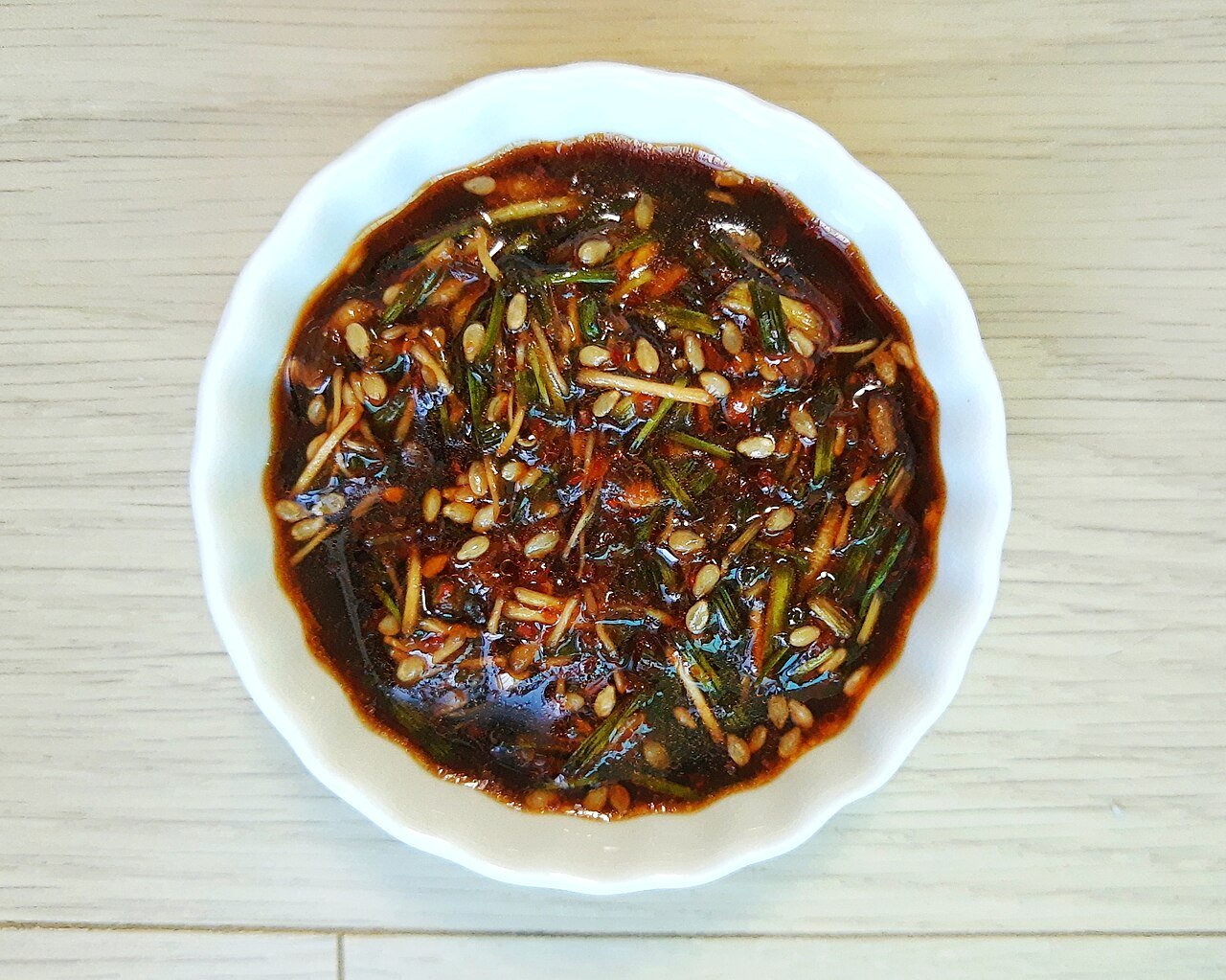
The dish above is the early-spring version, made with dallae (Korean wild chives) instead of scallion. Same base, same ratio, sharper and more garlicky. If you ever see dallae at a Korean grocer in March or April, buy it and make this — it’s a short season and the sauce is noticeably better.
Ingredients, and what to use instead
Substitutes are the point of this site, so here’s the honest version of each one.
| Ingredient | What to use instead, and how it changes |
|---|---|
| Soy sauce, 45 ml / 3 tbsp | Use jin-ganjang (regular Korean soy sauce) or any Japanese brewed soy sauce. Kikkoman is slightly sweeter and more aromatic but works one-for-one. See the note below on soup soy sauce |
| Water, 30 ml / 2 tbsp | Cold anchovy-kelp broth makes it savorier and rounder. Shiitake soaking water does the same thing without the fish. Both are optional upgrades, not requirements |
| Rice vinegar, 15 ml / 1 tbsp | Plain white vinegar is sharper and thinner on the finish — use 10 ml / 2 tsp rather than a full tablespoon. Apple cider vinegar is fruitier and slightly cloudy, same amount |
| Sugar, 2 tsp | Korean rice syrup (ssalyeot) or honey give a rounder sweetness and thicken the sauce a little. Honey leaves a floral note that not everyone wants next to seafood. Plum syrup (maesil-cheong) works well but is acidic, so cut the vinegar to 2 tsp |
| Gochugaru, 2 tsp | 1 tsp sweet paprika plus a pinch of cayenne gets you the color and the heat, but not the faintly fruity edge real gochugaru has. Our guide to gochugaru substitutes covers the options in detail. You can also just leave it out — the sauce is plainer, not broken |
| Garlic, 1 tsp minced | Jarred minced garlic is milder with a slightly pickled edge. Garlic powder at 1/4 tsp dissolves clear and gives you the flavor without the fresh bite or the specks |
| Scallion, 1 finely chopped | Chives are milder and grassier and lack the sharp white-part bite; use a bit more. Finely minced onion works if you let it sit 10 minutes, but stays crunchier and reads sweeter |
| Toasted sesame oil, 1 tsp | There’s no good substitute. Untoasted sesame oil and neutral oils add grease without aroma, so leave it out entirely rather than swapping — the sauce is thinner in smell but still fine |
One thing worth getting right: which soy sauce
Korean kitchens keep two kinds. Jin-ganjang is the dark, all-purpose one, used for braises, marinades, and sauces like this. Guk-ganjang (soup soy sauce) is paler, considerably saltier, and made for seasoning soups where you don’t want the broth to turn brown.
They are not interchangeable here. If a recipe you’re following specifies guk-ganjang for a dipping sauce — some older recipes do — use about two-thirds the volume and make up the difference with water, or the sauce will be aggressively salty. The result is paler and more one-note salty, without the faint maltiness jin-ganjang carries. Going the other direction, if a soup recipe asks for guk-ganjang and all you have is regular soy sauce, use the same volume plus a pinch of salt and accept a darker broth. If you’re stocking a Korean shelf from scratch, our Korean pantry starter kit explains which one to buy first.
Yangnyeomjang Recipe
Ingredients
Method
- Measure the soy sauce, water, and rice vinegar into a small bowl in that order: 3 tablespoons, 2 tablespoons, 1 tablespoon.
- Add the sugar and stir until you can no longer feel grains against the bottom of the bowl, about 20 seconds.
- Stir in the gochugaru and minced garlic.
- Chop the scallion finely and add it, along with the sesame oil and crushed sesame seeds.
- Let the sauce sit for 10 minutes before serving so the garlic and chili flakes soften and stop tasting raw.
- Stir once more just before it goes to the table, since the sesame oil separates and floats.
How to make it
- Measure the soy sauce, water, and rice vinegar into a small bowl, in that order. Three tablespoons, two, one.
- Add the sugar and stir until you can’t feel grains dragging on the bottom of the bowl. Twenty seconds is usually enough.
- Stir in the gochugaru and the minced garlic.
- Chop the scallion finely — thin rounds, including most of the green — and add it with the sesame oil and the crushed sesame seeds.
- Let it sit 10 minutes. The garlic and chili flakes stop tasting raw, and the gochugaru bleeds a little color into the liquid.
- Stir again right before serving. Sesame oil separates and floats within a couple of minutes.
Crush the sesame seeds between your fingers as they go in. Whole seeds mostly slide past your tongue; broken ones actually taste like sesame.
Tuning it without losing the ratio
Once the 3-2-1 is in your head, adjustments become obvious instead of guesswork.
Too salty for your soy sauce brand? Add water one teaspoon at a time, never by splash. That’s the mistake I opened this post with, and it’s unrecoverable — you can’t take water back out without adding more soy sauce and throwing off everything else.
Serving it with something oily like a thick seafood pancake or fried mandu? Push the vinegar up to 1.5 tablespoons. Acid is what makes the second and third bite as good as the first.
Serving it with something delicate, like plain steamed dumplings or silken tofu? Drop the gochugaru to 1 teaspoon and the garlic to half. The sauce should sit under the food, not on top of it.
Making it ahead? It keeps about five days covered in the fridge, but the scallion goes limp and the garlic gets louder overnight. If I know I’m making a batch in advance, I mix the liquids, sugar, and gochugaru ahead, then stir in the fresh scallion, garlic, and sesame oil right before serving. That version tastes newly made.
Frequently asked questions
What do you eat yangnyeomjang with?
Korean pan-fried things, mostly. Jeon and buchimgae of every kind, mandu, pan-fried tofu, and boiled pork for bossam wraps. It’s also good over plain rice with a fried egg, and Koreans use a thinned version to season steamed vegetables. It is not a marinade and not a stir-fry sauce — there’s too much vinegar in it for heat, and it turns harsh in a hot pan.
Can I make yangnyeomjang without rice vinegar?
Yes. Plain white vinegar is the closest thing most kitchens already have — use 10 ml / 2 tsp instead of 15 ml / 1 tbsp, because it’s sharper and hits harder. Apple cider vinegar works too at the full amount and reads fruitier. Lemon juice is the fallback if you have no vinegar at all: use the full tablespoon, but it fades within an hour, so mix it right before serving.
How long does yangnyeomjang last in the fridge?
About five days in a covered container. The liquid base itself lasts much longer, but the chopped scallion wilts and the raw garlic gets steadily sharper, so by day four it tastes like a different sauce. Don’t freeze it — the aromatics turn mushy and the sesame oil goes waxy.
What to make next
The most natural thing to put this sauce next to is a pancake, and haemul pajeon is the version worth learning first — crisp edges, scallions, and enough seafood that the vinegar in the sauce has something to cut through. If gochugaru is the ingredient standing between you and half the Korean recipes you want to cook, our gochugaru substitutes guide sorts out what actually works and what only looks right. And when you want the thick, sweet-spicy sauce instead of this thin one, the all-purpose gochujang sauce is the other half of the pair.