The premise of the episode was almost cruel: forty minutes, one convenience store, build a dish good enough to survive elimination. On Culinary Class Wars, most contestants went savory with instant noodles and canned goods, but one chef going by Napoli Mafia built a tiramisu instead — dipped snack cookies, packaged cream, and chestnuts boiled soft and blended into a puree — and judge Ahn Sung-jae said it tasted like something you’d pay real money for at a hotel restaurant. It won the round.
That’s the entire plot relevance here — I’m not going to walk you through the show beat by beat, and this isn’t a dish you need to have watched Culinary Class Wars to enjoy. What I do want to hand you is the dessert itself, minus the forty-minute clock and the requirement that everything come from a CU snack aisle.
What makes this different from regular tiramisu
Classic Italian tiramisu is mascarpone, egg, sugar, coffee-dipped ladyfingers, cocoa. This version swaps a chestnut cream in alongside — or partly in place of — the usual mascarpone mixture, which does two things. It mellows the tang that mascarpone and raw egg yolk usually bring, since chestnut puree is sweet and starchy rather than sharp. And it adds a texture that’s somewhere between a puree and a mousse once it’s folded with whipped cream, which is part of why the show’s version got compared to something out of a pastry case rather than a home kitchen.
I’ve built this recipe around cream cheese rather than mascarpone or raw egg, partly because it’s what most people already have, and partly because it’s what the original convenience-store version leaned on too — packaged cream, not fresh mascarpone. If you do want to go closer to a traditional tiramisu base, swap in mascarpone and skip nothing else; the ratios hold.
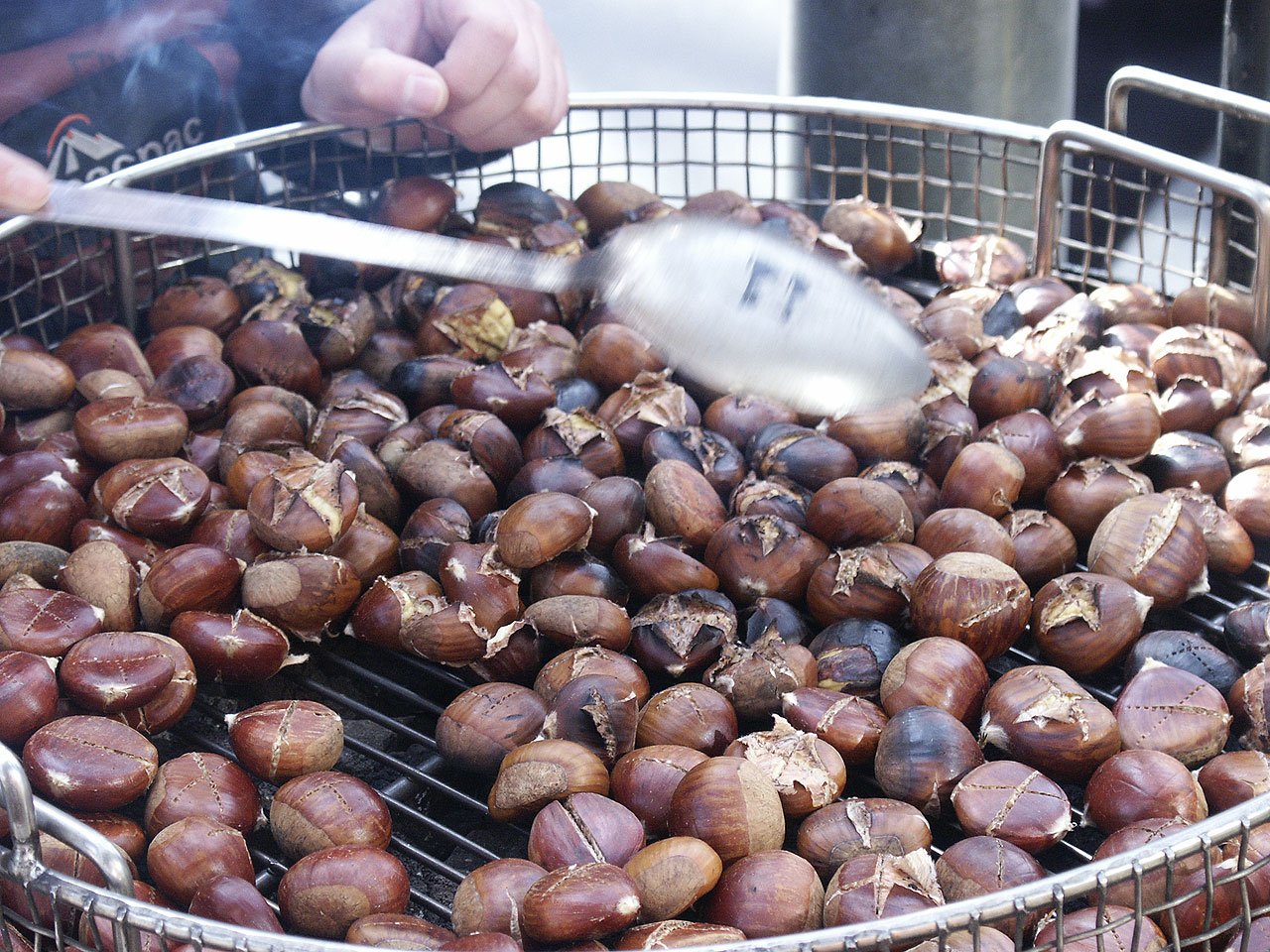
Chestnuts: the ingredient that actually takes effort
Fresh chestnuts are a pain to peel — boil, score, peel while hot, and you’ll still lose skin fragments into the puree if you’re not careful. Vacuum-packed peeled chestnuts, sold in most Korean grocery stores and a lot of Asian supermarkets generally, skip all of that and are what I’d recommend for a first attempt. Jarred chestnuts in syrup work too, though drain them well and cut back the added sugar since they arrive pre-sweetened.
If none of that is available to you, canned sweetened chestnut puree — the kind sold for Mont Blanc pastries — is the easiest substitute by far. It’s smoother than what you’d get blending your own, already sweet, and you’ll want to drop the sugar in step two to nothing, tasting as you go. The tradeoff is a slightly more uniform, less rustic texture, and a puree that can taste a touch more processed than one made from actual boiled chestnuts. Both results are good. Neither is wrong.
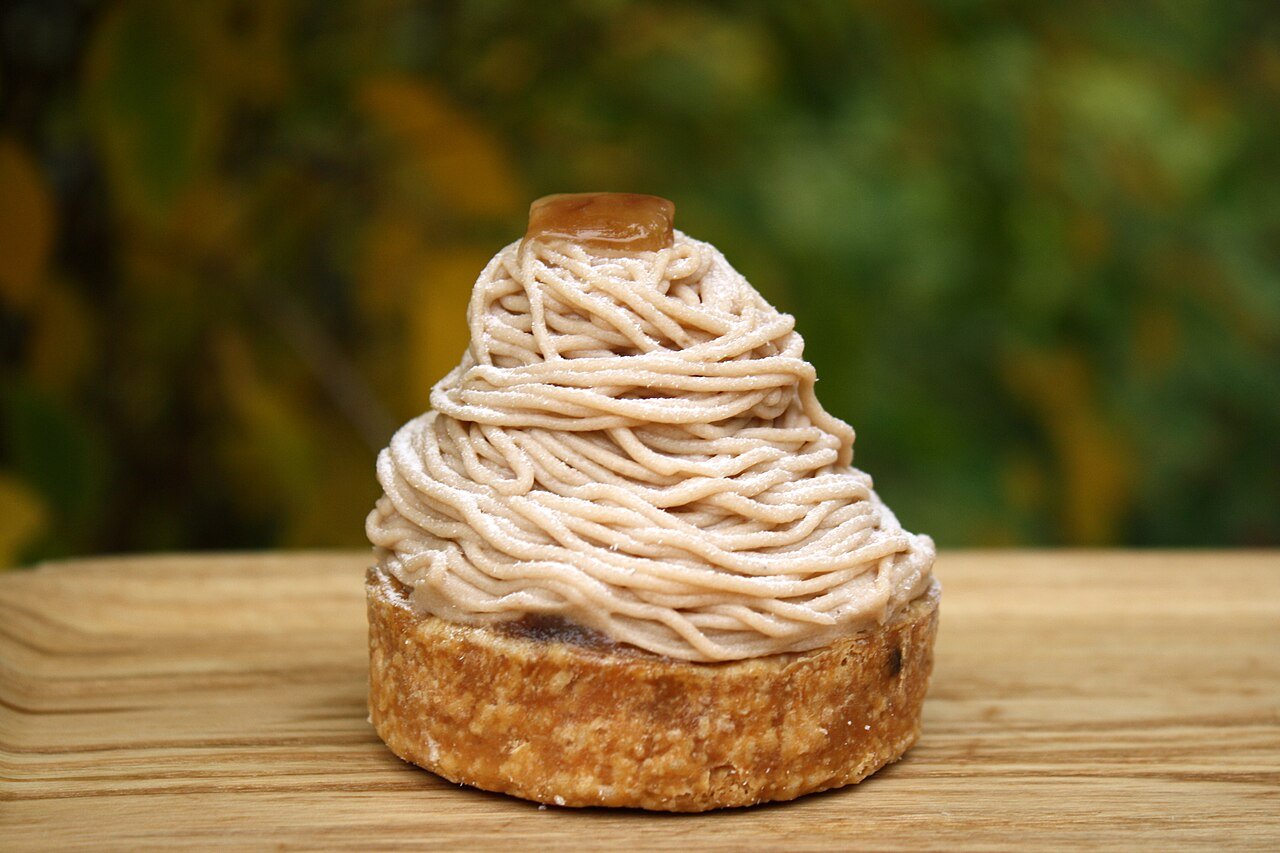
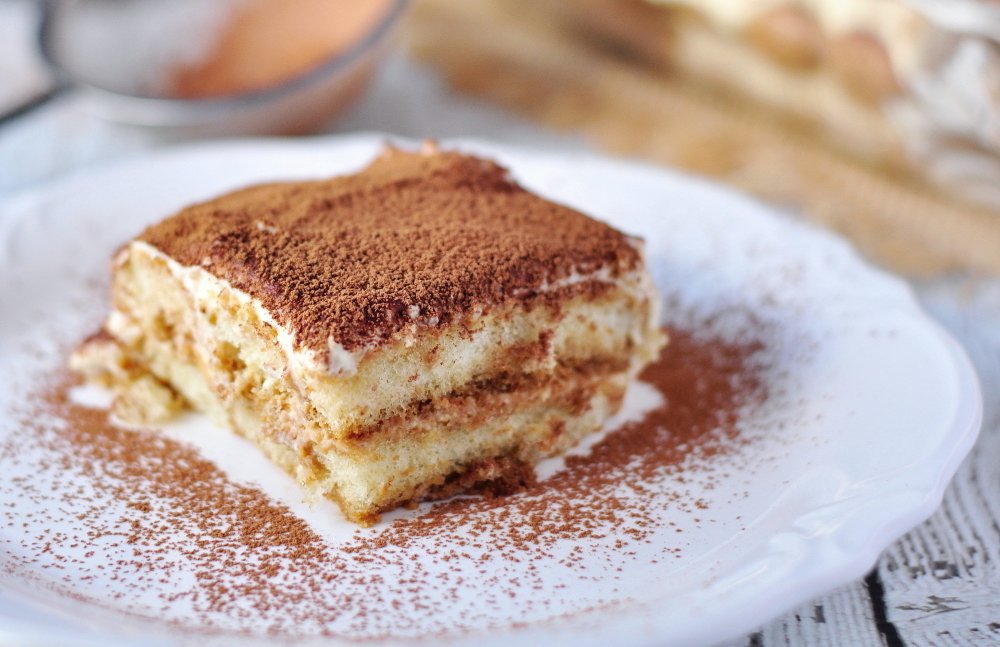
Chestnut Tiramisu Recipe from Culinary Class Wars, Made Simple
Ingredients
Method
- Put the peeled chestnuts in a small saucepan with 3/4 cup of the milk. Bring to a bare simmer over medium-low heat and cook for 3 to 4 minutes, until the chestnuts are soft enough to mash easily.
- Blend the chestnuts and milk together — a stick blender or regular blender both work — adding the remaining milk a little at a time until you get a smooth, thick paste roughly the texture of hummus. Stir in the sugar and vanilla while it’s still warm so the sugar dissolves, then let it cool completely in the fridge, about 30 minutes.
- Beat the cream cheese on its own until smooth and free of lumps, about a minute.
- In a separate bowl, whip the heavy cream to soft peaks.
- Fold the cooled chestnut paste into the cream cheese first, mixing until even. Then fold in the whipped cream in two additions, keeping the mixture as light as you can — this is what makes the final texture airy rather than dense.
- Dip each ladyfinger or biscuit briefly in the cooled coffee — a quick one-second dunk per side, not a soak, or they’ll turn to mush. Arrange a layer in the bottom of a serving dish or individual cups.
- Spread half the chestnut cream over the biscuit layer. Repeat with a second layer of dipped biscuits and the remaining cream.
- Cover and refrigerate for at least 2 hours, ideally overnight, so the biscuits soften properly and the layers set.
- Dust with cocoa powder and scatter a few pieces of roasted chestnut on top just before serving.
The dipping step is where people overdo it
Ladyfingers and digestive biscuits both need almost no time in the coffee — a second per side, maybe two if the biscuit is dense. The instinct is always to soak longer because it feels like more flavor, but a biscuit that’s absorbed too much liquid collapses into paste under the weight of the cream layer, and you end up with a soggy bottom rather than distinct layers when you cut into it. Quick dip, straight into the dish. If a biscuit breaks while you’re transferring it, that’s fine — patch the gaps, nobody will see it once the cream goes on.
Why the resting time isn’t optional
Two hours in the fridge is the minimum, and overnight is genuinely better. The biscuits need that time to pull moisture from the cream layers and soften from the inside without falling apart, which is what gives tiramisu its characteristic texture — distinct layers that still yield easily under a spoon. Cut into it after thirty minutes and you’ll get a firm biscuit surrounded by loose cream, which tastes fine but doesn’t hold together the way it should.
Individual cups or one big dish
The convenience-store original was built in a plastic cup, single serving, because that’s what the challenge required. At home you’ve got more freedom. Individual glasses or small mason jars make for an easy, no-slicing dessert if you’re serving guests — layer directly in the serving vessel and nobody has to deal with cutting clean squares out of a dish, which tiramisu is notoriously bad at even when it’s set properly. A single 8-inch square or round dish works just as well if you’d rather serve it family-style with a spoon, and it’s easier to fit in a fridge shelf than four or five separate cups.
Either way, the layering order matters more than the container. Biscuit, cream, biscuit, cream, cocoa on top — resist the urge to add a third biscuit layer to stretch the recipe further, since more layers than that make individual portions harder to plate cleanly and don’t add much beyond bulk.
Storage and make-ahead
This dessert genuinely improves with a day of rest, which makes it one of the more forgiving things to make ahead of a dinner or gathering. Covered tightly and refrigerated, it holds well for up to three days, with the texture actually getting better on day two as the biscuits fully absorb moisture from the cream layers and the chestnut flavor has more time to settle in. Don’t dust the cocoa powder on top until just before serving, though — left on too long in a humid fridge, it tends to go slightly damp and lose the crisp contrast it’s supposed to provide against the soft cream.
It doesn’t freeze well. The dairy-and-biscuit structure that makes tiramisu good at room temperature or chilled turns watery and separates once thawed, so plan to make only as much as you’ll eat within a few days.
Questions people ask
Can I make this without cream cheese or mascarpone?
Not really, and I wouldn’t recommend trying — the dairy base is what carries the structure here, giving the chestnut puree something to fold into rather than sitting as a separate, denser layer. If you’re avoiding dairy entirely, a whipped coconut cream can stand in for the heavy cream, though the flavor shifts noticeably toward coconut.
My chestnut puree came out grainy instead of smooth. What went wrong?
Usually the chestnuts weren’t cooked quite soft enough before blending, or there wasn’t enough liquid in the blender to let them break down fully. Add milk a tablespoon at a time and keep blending — it takes longer than you’d expect for chestnut to go fully smooth, closer to two or three minutes of blending than thirty seconds.
Is this the exact recipe from the show?
Not exactly — the original was built under a forty-minute time limit from specific convenience-store products, which isn’t a constraint anyone cooking at home needs to work around. This version keeps the same core idea — chestnut cream layered with coffee-soaked cookies — using ingredients from a regular grocery store instead.
Where this fits on your dessert list
If chestnut cream is a new flavor for you, hobakjuk, Korea’s pumpkin porridge, runs on a similar note of natural sweetness without added sugar doing all the work, and it’s a good next dish if you liked the direction this one takes. For something crisper and more street-food, hotteok is the other Korean sweet most people learn early on, filled with brown sugar and nuts rather than cream. And if you’re building a Korean pantry from nothing and wondering what’s actually worth stocking, our starter kit guide is a reasonable place to start before your next K-drama-inspired kitchen project.