Here’s the short version. Buy four things: gochugaru, gochujang, toasted sesame oil, and a bottle of Korean soy sauce. Those four cover the majority of the Korean recipes people actually search for. Everything else on this list is a real improvement, but it can wait a month.
I’m writing this because the usual Korean pantry essentials post hands you a list of twenty jars, most of which will sit unopened until they expire. My own shelf in Seoul is smaller than that, and I cook Korean food every day. So here are twelve, sorted by the order I’d buy them in, with an honest note on what each one costs you if you substitute it.
Buy first (week one): gochugaru, gochujang, toasted sesame oil, soy sauce. Buy next (when the first four run low): doenjang, toasted sesame seeds, an anchovy-kelp broth pack, fish sauce. Buy once you’re committed: kimchi, short-grain rice, roasted seaweed, rice syrup.
The first four
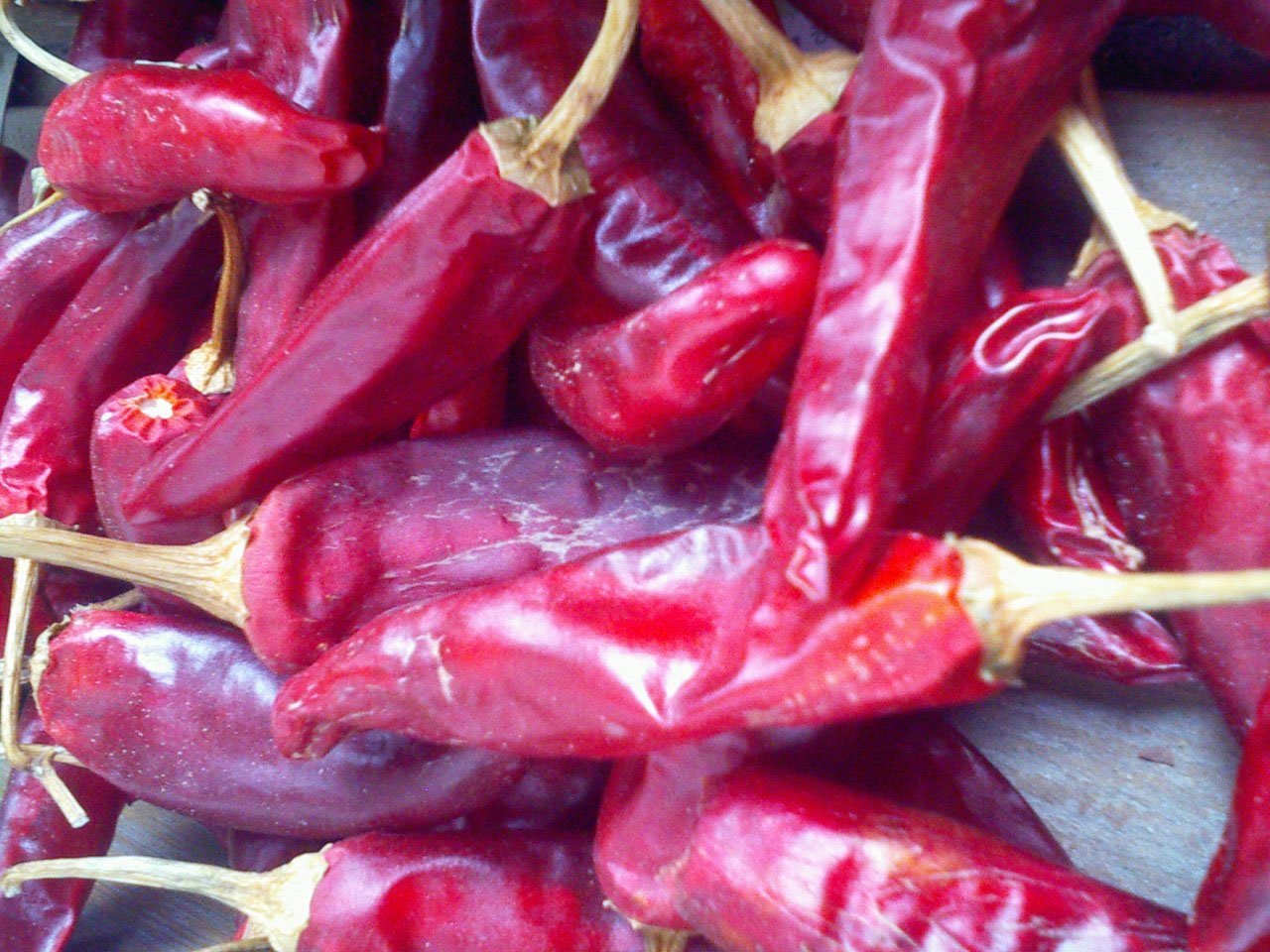
1. Gochugaru (고춧가루) — Korean chili flakes
The single most Korean thing on this list. Gochugaru is sun-dried red chili ground coarse, and it’s more fruity than fiery — it does the color work in almost every red Korean dish. Buy the coarse grind (굵은 고춧가루), not fine, and buy a small bag, because it fades after about six months. Keep it in the freezer.
Substitute: sweet paprika plus a little cayenne, roughly 4:1. You’ll match the color and the heat, but you lose the slightly sweet, sun-dried quality, and the broth of a stew comes out thinner. Chili powder from a Mexican aisle is the wrong choice — it’s usually blended with cumin and oregano.
2. Gochujang (고추장) — fermented chili paste
Thick, sweet, salty, deeply savory. It’s now stocked in mainstream supermarkets across the US and Europe, often in squeezy tubes, which are fine. A tub lasts a year in the fridge once opened.
Substitute: white miso plus cayenne plus a little sugar, in about a 4:1:1 ratio by volume. That gets you sweet-salty-spicy without the fermented chili depth. Sriracha is not a substitute — it’s vinegary and thin, and it will make tteokbokki taste like hot ketchup.
3. Toasted sesame oil (참기름)
Not a cooking oil. It’s a finishing oil, added off the heat in teaspoons, and it’s the smell people recognize as “Korean food” without being able to name it. Buy the darkest bottle you can find; pale sesame oil is untoasted and tastes of almost nothing.
Substitute: none that’s honest. Toasted sesame paste thinned with a neutral oil gets you partway. If you skip it entirely, dishes like bibimbap and kimbap lose their defining aroma, so this is one of the few items I’d call non-negotiable.
4. Soy sauce (간장)
Any decent naturally brewed soy sauce works for marinades, stir-fries, and dipping. Korean jin-ganjang is a little sweeter and less sharp than Japanese soy sauce, but Kikkoman is perfectly acceptable and most Korean home cooks in a pinch would use it without comment.
The one worth knowing about: guk-ganjang (국간장), soup soy sauce. It’s saltier, thinner, and much lighter in color, and it’s what seasons clear soups without turning them brown. Substitute: regular soy sauce plus a pinch of salt, accepting a darker broth. Buy the real thing only once you’re making Korean soups weekly.
The next four
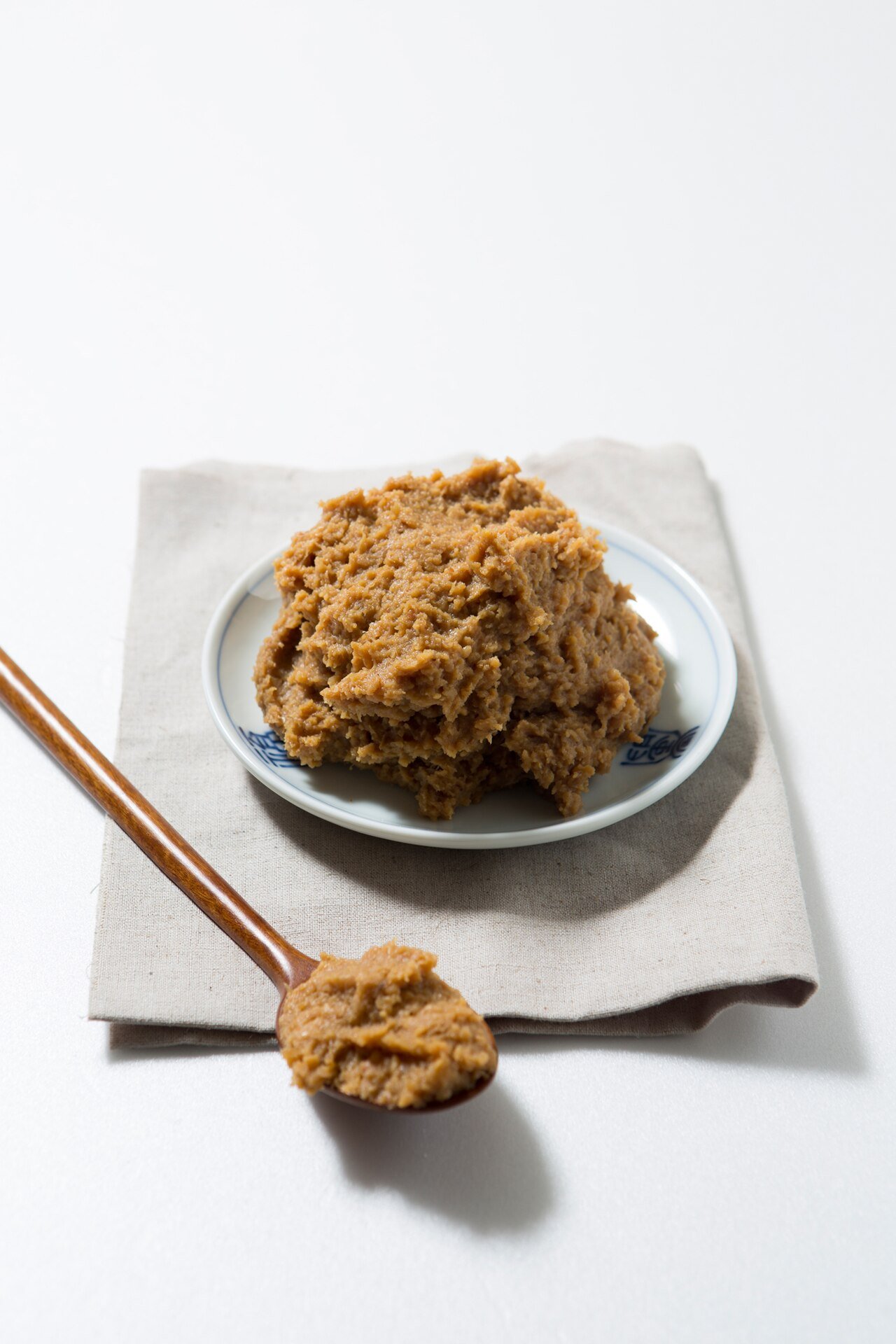
5. Doenjang (된장) — fermented soybean paste
Funkier and coarser than Japanese miso, with visible bits of soybean. It carries doenjang jjigae, seasons braises, and mixes with gochujang to make ssamjang, the paste you eat with grilled meat and lettuce.
Substitute: red miso, roughly 1:1 with a pinch of extra salt. Miso is smoother and sweeter, so a doenjang stew made with miso tastes cleaner and less barnyard — some people prefer it, which is fine, but it isn’t the same dish.
6. Toasted sesame seeds (깨소금)
Cheap, and they go on everything. Buy them already toasted, or toast raw ones in a dry pan for three minutes until they start hopping. Crush them lightly between your fingers as you scatter them — whole seeds mostly pass through undetected.
Substitute: raw sesame seeds toasted at home, which is genuinely the same thing. Skipping them costs you texture more than flavor.
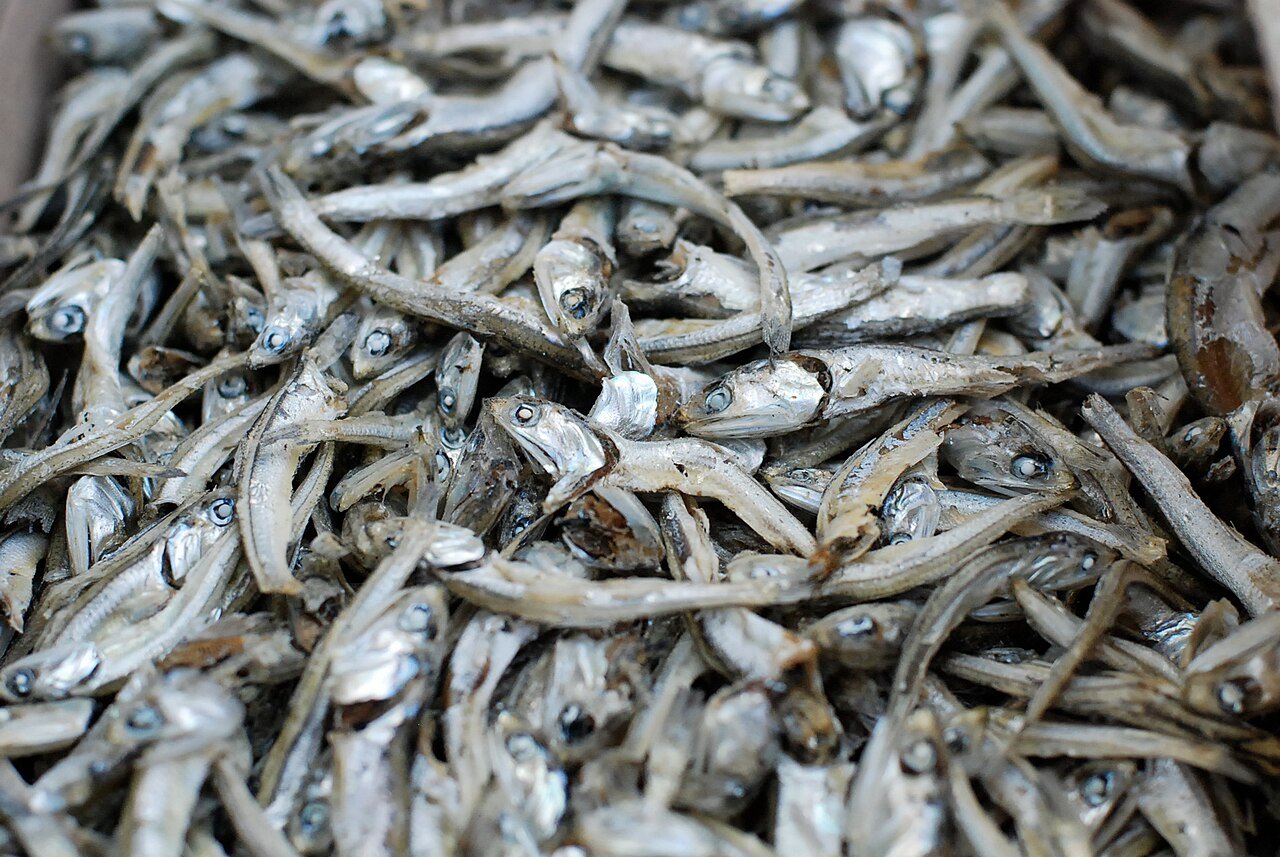
7. An anchovy-kelp broth pack (다시팩)
This is the item most beginner lists leave out, and it’s the one that makes home cooking taste like restaurant cooking. Korean grocers sell teabag-style sachets of dried anchovy, kelp, and dried vegetables. Drop one in water, simmer 10 minutes, pull it out. That broth is the base of most Korean soups and stews.
Substitute: water plus a teaspoon of fish sauce gets you 60% of the way. Instant dashi powder is closer but leans sweeter and more smoky. Vegetarians can simmer a 5 cm square of dried kelp with a few dried shiitake for a clean, mushroom-forward version.
8. Fish sauce (액젓)
Korean anchovy sauce is used in kimchi and to season vegetable side dishes. It smells alarming and disappears completely into the food.
Substitute: Thai or Vietnamese fish sauce, 1:1, slightly sweeter and thinner but close enough that most people can’t tell. Vegan version: soy sauce plus a pinch of doenjang, or a splash of the liquid from a jar of capers if you want the briny edge.
The four you can put off
9. Kimchi
Not strictly a pantry item, but nothing works without it. Buy from the refrigerated case, never the shelf-stable aisle — pasteurized jarred kimchi will never develop the sourness that makes kimchi jjigae taste like anything. Kimchi-making, or kimjang, is on the UNESCO intangible heritage list, and it’s worth reading about once even if you never make your own.
Substitute: none. Making it at home is very doable but is a weekend project, not a Tuesday one.
10. Short-grain rice
Korean rice is short-grain and slightly sticky, sold as “sushi rice” in most Western supermarkets, which is the same thing under a different label. Long-grain rice underneath a stew is a real downgrade — it doesn’t hold sauce.
Substitute: Japanese or Californian short-grain, or Arborio in an emergency, rinsed hard and cooked with slightly less water than the package says.
11. Gim (김) — roasted seaweed sheets
Two kinds. The small salted-and-oiled squares are a side dish eaten with rice; the large plain sheets are for rolling kimbap. If you buy one, buy the large plain sheets and season them yourself with a brush of sesame oil and salt.
Substitute: Japanese nori is functionally identical for rolling.
12. Rice syrup (물엿) or oligodang (올리고당)
A neutral, mild sweetener that also gives Korean glazes their shine. It’s what makes soy-braised dishes and fried chicken sauce look lacquered rather than dull.
Substitute: corn syrup, or honey diluted with a little water. Honey adds its own flavor, which is noticeable in a delicate braise but invisible in anything with chili in it.
What I’d skip at the start
Perilla oil goes rancid fast and has one main use. Salted shrimp (saeujeot) is worth it only if you’re making kimchi from scratch. Rice cakes for tteokbokki are best bought fresh the day you cook, not stockpiled. And you don’t need a stone bowl, a special pot, or a kimchi fridge to cook well — a heavy saucepan does everything on this site.
Frequently asked questions
What are the absolute minimum Korean pantry essentials?
Gochugaru, gochujang, toasted sesame oil, soy sauce, garlic. With those five and whatever vegetables you already have, you can cook stir-fries, marinades, most banchan, and a passable stew. Everything else on this list improves the result rather than enabling it.
Where can I buy these if there’s no Korean grocery near me?
Every item here except fresh kimchi and rice cakes ships well and is widely sold online. Gochujang and toasted sesame oil have made it into ordinary supermarkets in most large Western cities, usually in the international aisle. For gochugaru and broth packs, a Korean online grocer is usually cheaper than a general marketplace.
How long does this stuff last?
Gochujang and doenjang keep about a year in the fridge after opening and are fairly forgiving. Gochugaru fades within six months at room temperature, so freeze it. Sesame oil turns rancid — buy small bottles and keep them out of the light. Broth packs and dried seaweed last indefinitely in a sealed container.
Where to start cooking
With the first four items, the three most useful recipes to try are kimchi jjigae, which uses gochugaru and soy sauce and teaches you how Korean stews are built, bibimbap, which is really a lesson in gochujang, and tteokbokki once you’ve added rice cakes. If you want a five-minute version of all of this, our instant ramyeon upgrades guide uses nothing but the pantry items above.
If you’re heading to Korea and want to buy any of this at the source, the dried goods stalls at Gwangjang Market sell gochugaru and sesame oil by weight at prices no export shop can match — k-trips has a walk-through of Gwangjang Market, and a guide to ordering food in Korea that also covers how to ask what’s in something.