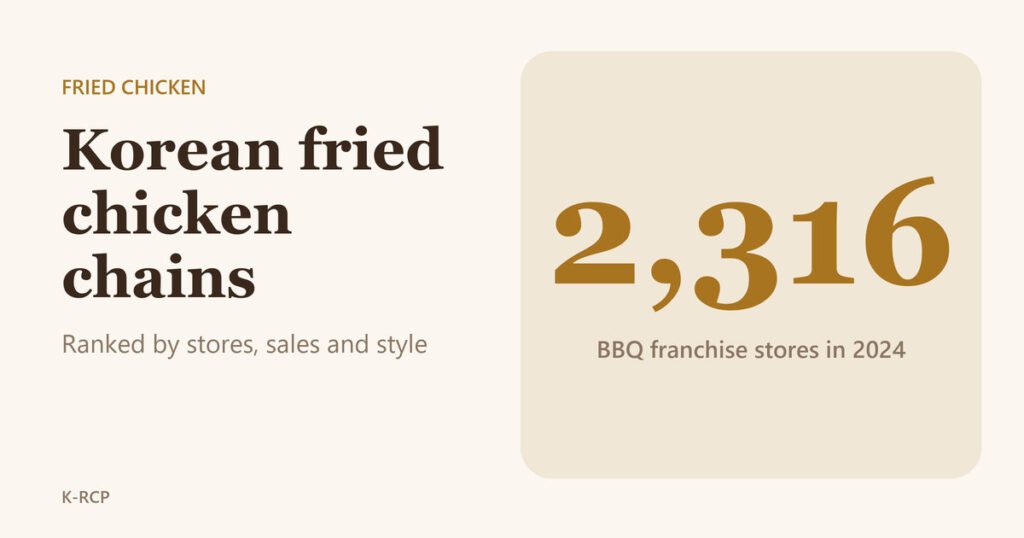
5 Korean Fried Chicken Chains Ranked by Stores, Sales and Style
BBQ, bhc, Kyochon, Cheogajip and Goobne set side by side on 2024 store counts, sales per shop and company revenue, plus where yangnyeom chicken began.
BBQ, bhc, Kyochon, Cheogajip and Goobne set side by side on 2024 store counts, sales per shop and company revenue, plus where yangnyeom chicken began.
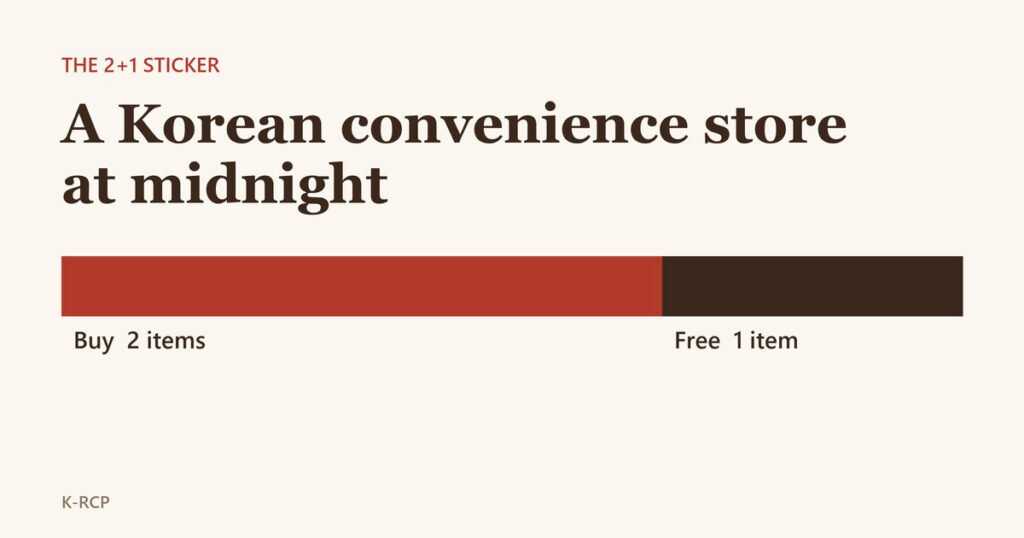
What to buy at a Korean convenience store: triangle kimbap, cup ramyeon, microwave lunch boxes, banana milk and 1+1 stickers, with dated 2026 prices.
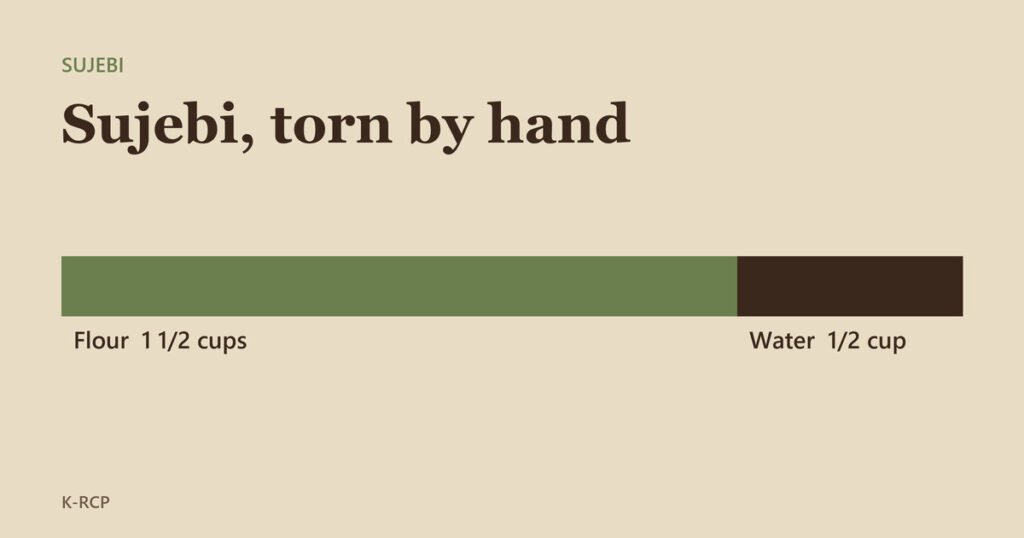
Sujebi in Korean sources: a summer farm staple with upper-class roots, the institute’s dough and stock figures, and a tearing method for silky pieces.
Plan indoor Korean barbecue: clear smoke, use a burner safely, cook pork belly, garlic, kimchi and beef in the right order, and swap what you cannot find.
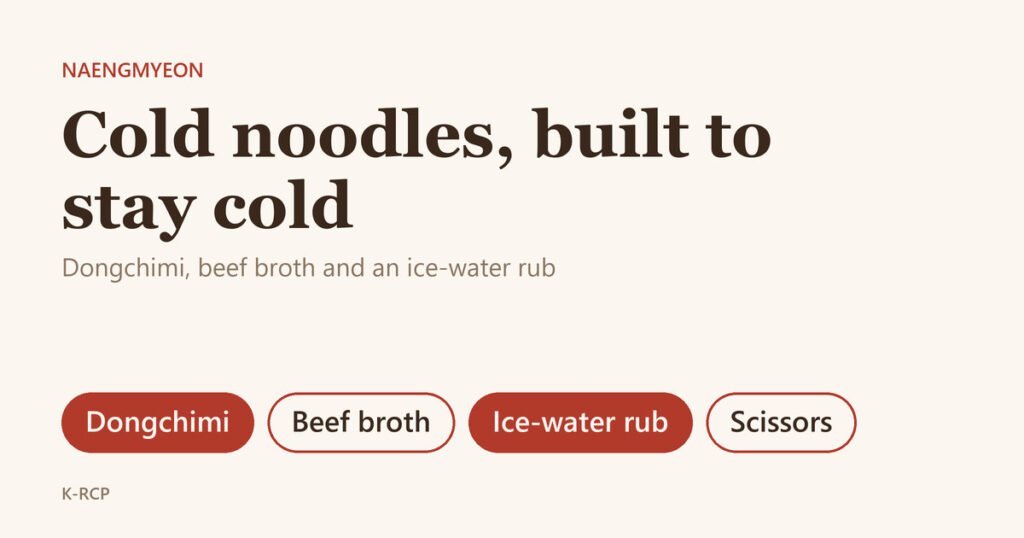
How naengmyeon moved from winter to summer menus, how mul, bibim and hoe bowls differ, and a cold-bowl schedule with a shortcut broth and iced noodles.
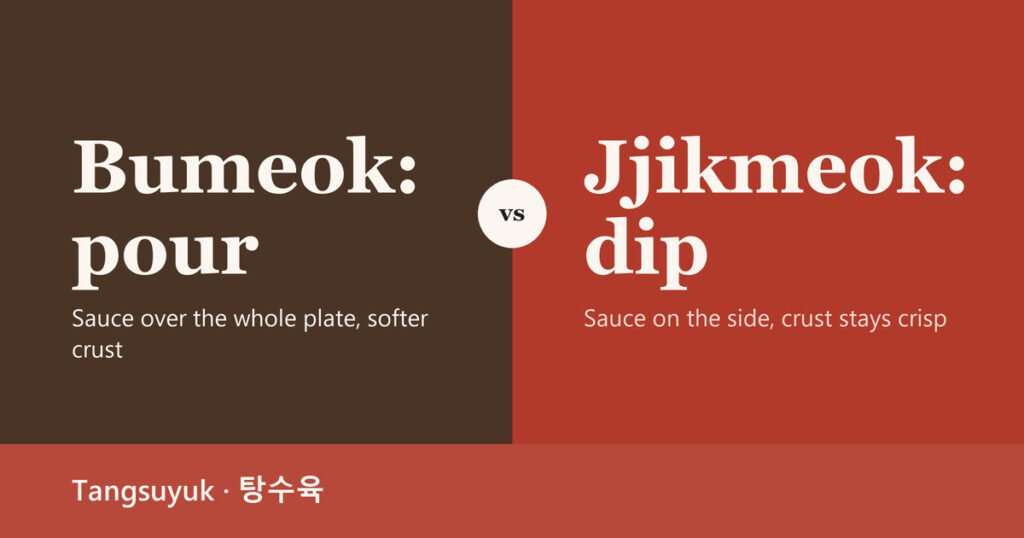
Why tangsuyuk needs potato starch, a soaked batter and two fries at 160 and 190 C, and how Korean kitchens argue over pouring the sauce or dipping.
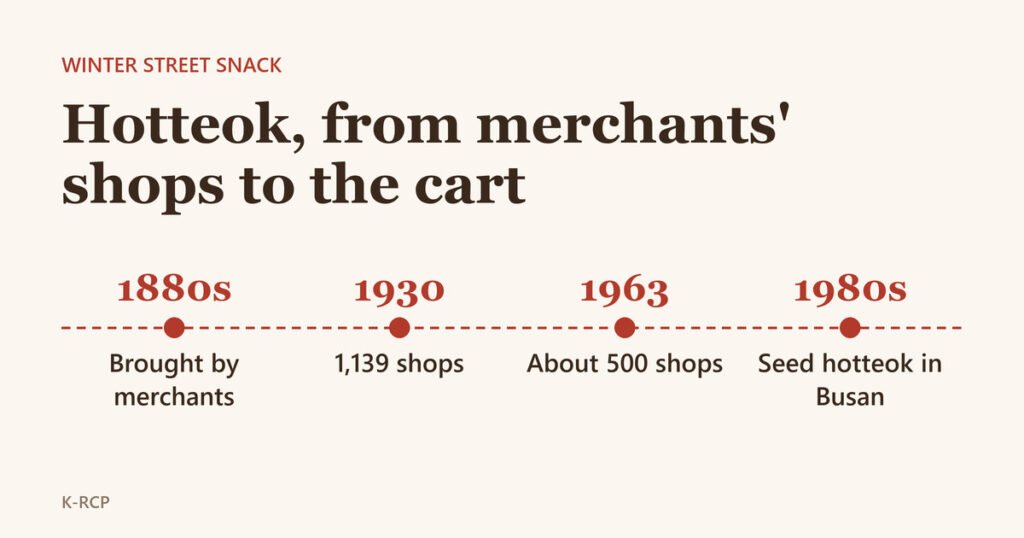
How hotteok went from Chinese merchants’ shops to winter carts, with the dough, filling and pressing times that keep the brown sugar from leaking.

How jjajangmyeon split from zhajiangmian: the 2011 spelling ruling, the disputed Gonghwachun founder, the 1948 caramel paste and how to fry the sauce.
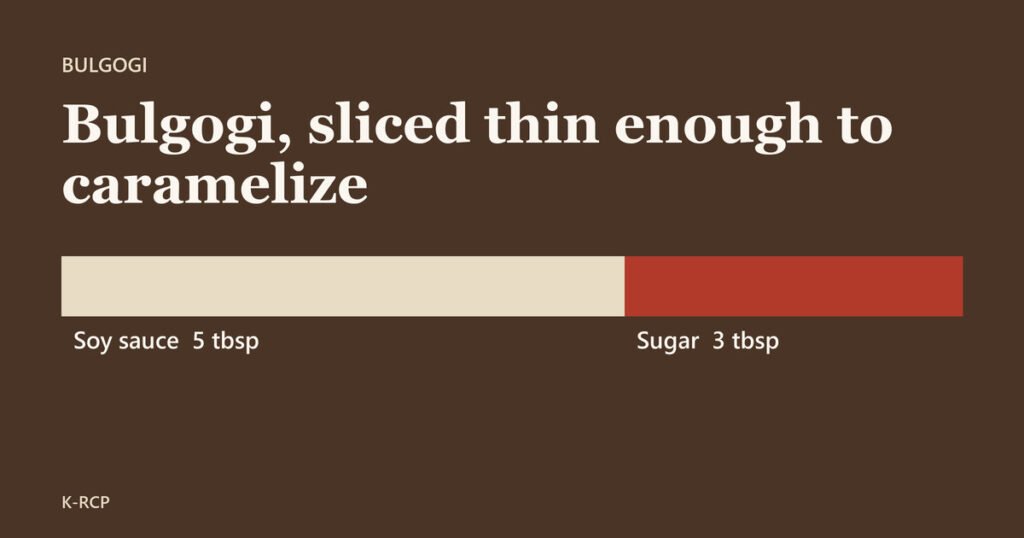
Where the word bulgogi first appears in print, how the Korea Food Promotion Institute slices and marinates the beef, and how a home pan avoids stewing it.
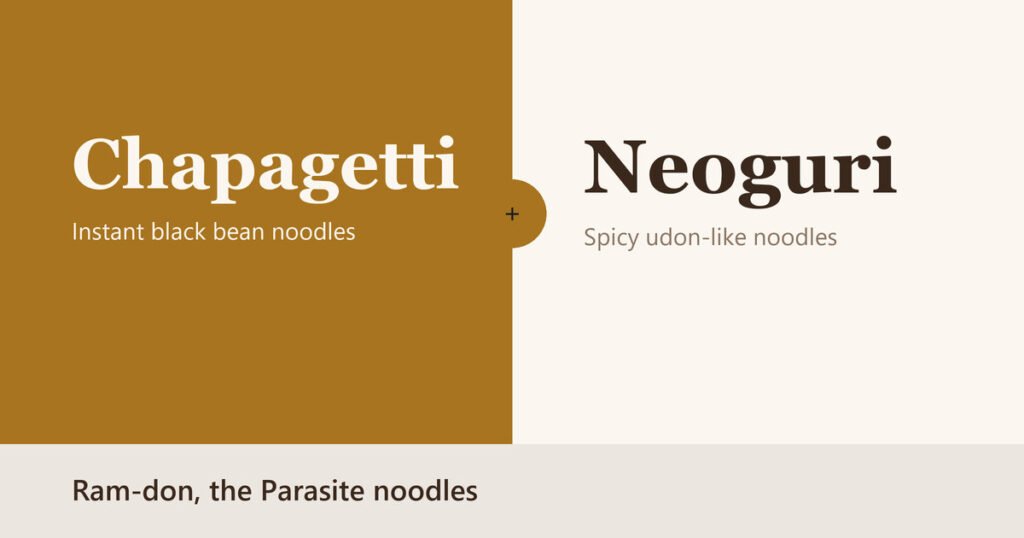
Parasite’s subtitle calls it ram-don, while Koreans call it jjapaguri. See who made up the word, why the 2013 craze came first, and how to cook the bowl.
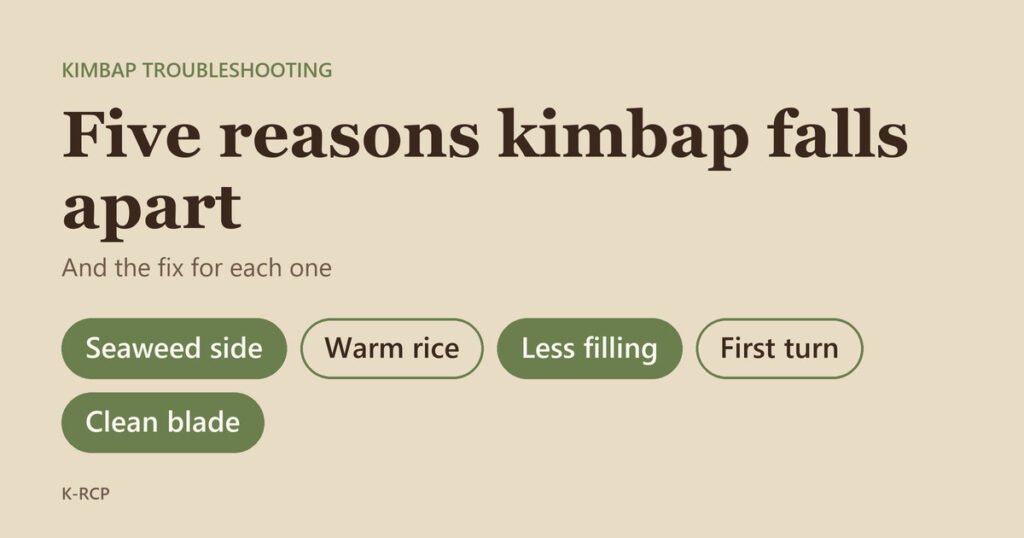
Five fixes for kimbap that tears or slides: seaweed side, warm rice, lighter fillings, a firm first turn and the knife, plus Korea’s heat-wave advice.

Sundubu is tofu stopped before pressing. See how Korean sources describe the stew, why the egg waits for the heat to go off, and which swaps hold up.